
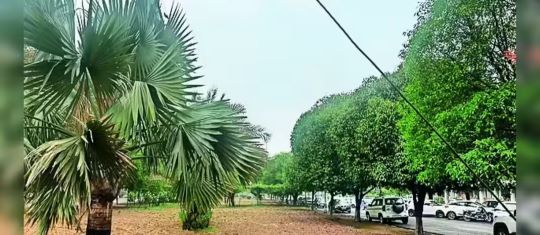
 In a remarkable display of modern environmental wisdom, more than one hundred fully grown trees at Punjab Agricultural University (PAU), Ludhiana, are reportedly being cut down right at the institution meant to safeguard agriculture, ecology, and sustainability. This development comes at a time when seminars, conferences, slogans, and glossy brochures loudly proclaim our commitment to saving the environment. Apparently, the new definition of “green revolution” involves removing the colour green altogether.
Punjab Agricultural University has long been celebrated as the intellectual backbone of Punjab’s farming sector, a place where students are taught the importance of soil health, climate resilience, biodiversity, and ecological balance. Ironically, within the same campus, nature’s unpaid professors are being silenced permanently. These trees, which spent decades absorbing carbon dioxide, lowering temperatures, hosting birds, and quietly correcting human mistakes, have now been declared expendable, perhaps for reasons known only to files, approvals, and “development plans.”
The comedy deepens when one remembers how passionately authorities speak about global warming, rising temperatures, and environmental collapse. On World Environment Day, saplings are planted with ceremonial enthusiasm, photographs are taken, and speeches are delivered about saving Mother Earth. Then, once the cameras leave, the same Mother Earth is handed a chainsaw. One sapling planted for publicity, one hundred trees cut for “progress” the math seems consistent with modern governance logic.
Even more amusing is the location of this act: an agricultural university. If trees are unsafe within PAU, one wonders where they are safe at all. Should farmers now be advised to cut down orchards to increase productivity? Should shade, clean air, and biodiversity be classified as obstacles to development? If this trend continues, future textbooks may explain that trees are harmful because they block concrete, delay construction, and attract birds—clearly unacceptable in an age of rapid urbanisation.
This is not merely an environmental issue; it is a moral contradiction. Trees take decades to grow and seconds to fall. They ask for nothing, no salary, no pension, no advertisement budget yet give oxygen, rain balance, and life. Cutting them while preaching environmental responsibility turns serious policymaking into dark comedy. It sends a dangerous message to students, farmers, and the public that environmental protection is only a slogan, not a practice.
The cutting of over a hundred trees at PAU must be stopped immediately. Development cannot be built on environmental destruction, especially in an institution that teaches sustainability. Punjab, already choking with pollution, groundwater depletion, and climate stress, cannot afford such symbolic and practical hypocrisy. If an agricultural university cannot protect its trees, how can it guide farmers and society toward a greener future?
Satire aside, the matter is grave. Trees are not obstacles; they are assets. Saving the environment cannot remain a speech topic—it must reflect in decisions on the ground. Otherwise, we may soon be holding conferences on climate change in air-conditioned halls, surrounded by concrete, while wondering why the air outside is no longer breathable.