
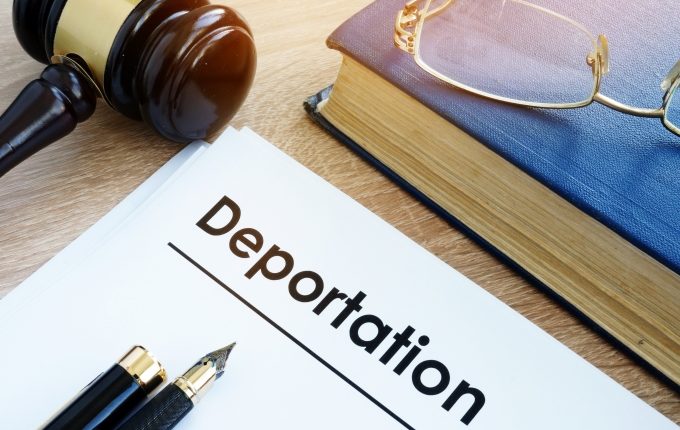
 The United States immigration system has entered a period of heightened enforcement, tighter scrutiny, and prolonged delays. Recent policy shifts affecting work visas, permanent residency, and deportation procedures have significantly impacted Indian nationals, who form one of the largest immigrant communities in the U.S. Among them, migrants from Punjab are particularly affected due to high levels of student migration, temporary work visas, and irregular migration routes. The changing immigration landscape has turned uncertainty into a daily reality for thousands of Indian and Punjabi families.
The H-1B visa program, long considered the backbone of Indian professional migration to the U.S., has become more restrictive. While the annual cap remains unchanged, authorities have intensified scrutiny of job roles, wages, and employer credibility. Greater emphasis is now placed on higher salaries, specialized skills, and strict compliance with labor laws. This has reduced opportunities for fresh graduates and workers sponsored by smaller companies, many of whom come from Punjab’s urban and semi-urban backgrounds. Increased background checks and delays have further added to anxiety among applicants and their families.
Green Card processing presents an even more serious challenge. Indian nationals face the longest waiting periods in employment-based Green Card categories due to country-wise limits. Many applicants have lived and worked legally in the U.S. for more than a decade but remain stuck on temporary visas. The overall immigration backlog has crossed 11 million pending cases, leaving thousands of Indian families in prolonged uncertainty. For Punjabis, this delay affects long-term settlement plans, children’s education, job mobility, and even the ability to travel abroad without fear of complications at re-entry.
Alongside visa tightening, immigration enforcement has increased sharply. U.S. Immigration and Customs Enforcement (ICE) has expanded interior enforcement, focusing on visa overstays, undocumented entry, and individuals with final removal orders. Deportation procedures have become faster once legal options are exhausted. As a result, the number of Indians deported to India has risen significantly. In 2024, approximately 1,500 Indian nationals were deported. In 2025, this figure crossed 3,000, marking the highest level in more than a decade. Thousands more Indians remain on ICE’s removal docket, meaning they could face deportation at any time.
ICE arrests of Indian nationals have also increased. Recent data indicates that more than 2,500 Indians are arrested or detained by ICE each year for immigration-related violations such as visa overstays or failure to maintain legal status. While Indians are not the largest group overall, they rank among the most affected Asian communities. Punjabis are disproportionately represented due to high migration levels and the growing number of young people who entered through irregular routes after exhausting legal options.
Punjab’s connection to this crisis is deep and complex. Economic stress, unemployment, and the powerful attraction of overseas earnings have pushed many Punjabi youths to seek opportunities in the U.S., sometimes without full awareness of legal risks. Families often take heavy loans or sell land to finance migration. When deportation occurs, it leaves households financially shattered and socially stigmatized. Returned migrants frequently face unemployment, mental health challenges, and loss of dignity, turning the “foreign dream” into a painful homecoming.
Students from Punjab are also under growing pressure. Those on F-1 visas face strict monitoring of attendance, work authorization, and compliance. Even minor violations can now trigger serious consequences, including detention or removal. Workers on temporary visas live under constant fear of job loss, which can quickly lead to loss of legal status.
The social impact of these immigration changes is profound. Families are being separated, children are growing up in uncertainty, and entire communities are living in fear of sudden arrests or deportations. For Punjab, the ripple effects include rising debt, social stress, and a growing number of returnees struggling to reintegrate.
In conclusion, the new U.S. immigration environment reflects a clear shift toward stricter enforcement, reduced flexibility, and prolonged delays. Indian nationals—especially Punjabis—are among the most affected, whether as H-1B professionals, Green Card applicants, students, or undocumented migrants. These developments highlight the urgent need for legal awareness, responsible migration practices, and stronger support systems to protect families from irreversible harm. Without such measures, the cost of migration will continue to rise—not just in dollars, but in human suffering.