
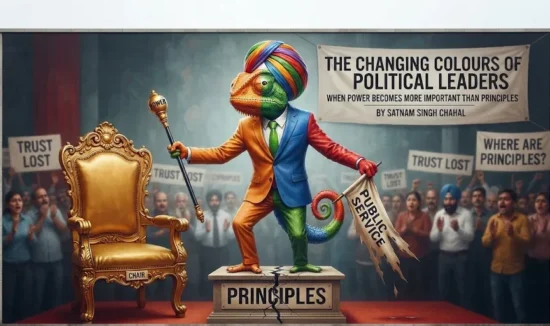
In democratic politics, changing political parties is not necessarily wrong. Circumstances change, ideologies evolve, and political disagreements can sometimes make it difficult for a leader to remain within the same organisation. However, a serious question arises when political leaders repeatedly change their colours, loyalties and political positions, not because of ideological differences or public interest, but because they believe another political platform may offer them greater power, position, influence or personal advantage.
The growing perception of politics as a convenient route to personal advancement raises important questions about political ethics, commitment, accountability and public trust. A political leader is not simply an individual carrying a party flag. A leader also carries the expectations, confidence and aspirations of thousands of supporters who stood behind that person during difficult political circumstances.
Unfortunately, when political loyalty becomes temporary and political convenience becomes permanent, the meaning of public service begins to lose its value.
There is an old Punjabi saying:
“ਜਿਹੜੀ ਥਾਲੀ ਵਿੱਚ ਖਾਈਏ, ਉਸੇ ਵਿੱਚ ਛੇਕ ਨਹੀਂ ਕਰੀਦਾ।”
(The hand should not damage the very plate from which it has received support.)
This saying reflects a basic principle of gratitude and commitment. Political disagreements are legitimate, but abandoning an organisation without explaining the reasons to supporters, particularly after benefiting from its platform, raises questions about political responsibility.
Another relevant Punjabi saying is:
“ਅਸੂਲਾਂ ਤੋਂ ਬਿਨਾਂ ਸਿਆਸਤ, ਸਿਰਫ਼ ਕੁਰਸੀ ਦੀ ਦੌੜ ਬਣ ਕੇ ਰਹਿ ਜਾਂਦੀ ਹੈ।”
(Politics without principles becomes nothing more than a race for power.)
The real strength of a political leader is not measured by how many parties they have joined, how many powerful people they know or how many positions they have occupied. It is measured by their consistency, integrity, public record and willingness to stand by their stated principles, even when doing so is politically inconvenient.
The Politics of Convenience and the Decline of Commitment
One of the biggest challenges facing democratic politics is the increasing tendency among some political leaders to treat political parties as temporary shelters rather than institutions built on ideology, principles and public commitment. When a party is in power, its leaders may defend every decision and praise its leadership. When the political situation changes, the same individuals may suddenly become critics, question the very policies they previously defended and seek opportunities elsewhere.
This raises a fundamental question: Were their earlier statements based on genuine political convictions, or were they merely expressions of convenience?
Punjabi has a powerful expression for this behaviour:
“ਜਿੱਧਰ ਵਗਦੀ ਵੇਖਣ ਹਵਾ, ਉੱਧਰ ਮੋੜ ਲੈਂਦੇ ਨੇ ਰੁਖ।”
(They change their direction according to whichever way the wind is blowing.)
Such political behaviour can damage the credibility of democratic institutions. Supporters who spend years defending a leader, organising campaigns, distributing literature and facing political criticism may feel abandoned when that leader suddenly changes political allegiance.
“ਜਿਹੜੇ ਆਪਣੇ ਅਸੂਲ ਵੇਚ ਦਿੰਦੇ ਨੇ, ਉਹ ਲੋਕਾਂ ਦਾ ਭਰੋਸਾ ਕਿਵੇਂ ਖਰੀਦਣਗੇ?”
(Those who sell their principles cannot expect to purchase the trust of the people.)
The difference between ideological change and political opportunism
It would be unfair to suggest that every politician who changes parties lacks integrity. Political parties themselves can abandon their founding principles, leadership can become authoritarian, internal democracy can disappear, and genuine ideological disagreements can develop.
A leader has every right to explain such differences and make an independent political decision. However, the credibility of that decision depends on transparency, consistency and accountability.
There is an important difference between leaving a party because of a genuine disagreement and leaving because another party offers a better political opportunity.
If a politician criticised a particular party for years, accused its leadership of failures and questioned its policies, the public deserves an explanation when that same politician later joins the organisation. What changed? Did the party change its policies, or did the politician change personal priorities?
These are legitimate questions in a democracy.
“ਸਿਆਸਤ ਵਿੱਚ ਵਿਚਾਰ ਬਦਲ ਸਕਦੇ ਨੇ, ਪਰ ਜ਼ਮੀਰ ਨਹੀਂ ਵਿਕਣਾ ਚਾਹੀਦਾ।”
(Political opinions may change, but one’s conscience should never be sold.)
The politics of power, positions and personal interests
Political positions, ministerial offices, organisational responsibilities and election tickets are important attractions in political life. But when these become the primary reasons behind political decisions, public service risks becoming secondary.
Some leaders remain loyal when they receive recognition, but their commitment becomes questionable when they are denied a ticket, lose an organisational position or fail to secure a ministerial berth.
A political organisation cannot guarantee every individual a position. Politics involves competition, disagreement, sacrifice and collective responsibility. A leader who leaves simply because personal expectations were not fulfilled must be prepared to explain why the interests of the public have suddenly become less important than personal ambition.
Another Punjabi expression captures this situation:
“ਕੁਰਸੀ ਦੀ ਖਾਤਰ ਜ਼ਮੀਰ ਗਿਰਵੀ ਰੱਖਣ ਵਾਲੇ, ਲੋਕਾਂ ਦੇ ਹੱਕਾਂ ਦੀ ਰਾਖੀ ਕੀ ਕਰਨਗੇ?”
(Those who mortgage their conscience for a chair of power—how will they protect the rights of the people?)
The historical lesson of Aya Ram, Gaya Ram
Indian politics has witnessed party defections for decades. The expression “Aya Ram, Gaya Ram” became famous after Haryana MLA Gaya Lal reportedly changed political allegiance three times in one day in 1967.
The experience of repeated defections eventually led Parliament to introduce the anti-defection provisions through the 52nd Constitutional Amendment in 1985, placing them in the Tenth Schedule of the Constitution. These provisions establish circumstances in which elected legislators can face disqualification for voluntarily giving up party membership or violating party directions in the legislature.
Upsc-essentials News – The Indian Express+1
However, legal provisions alone cannot create political morality. A law may address certain forms of legislative defection, but it cannot force a political leader to possess honesty, gratitude, ideological consistency or a genuine commitment to public service.
The deeper issue is not simply whether someone is legally permitted to change parties. It is whether that individual is willing to explain the decision honestly to the electorate.
Political parties must also examine themselves
Responsibility does not rest exclusively with politicians who change parties. Political organisations must also examine why experienced leaders, elected representatives and grassroots workers become dissatisfied.
Lack of internal democracy, concentration of authority in a few hands, ignoring dedicated workers, favouritism in ticket distribution and failure to respect ideological debate can contribute to political departures.
A party that expects absolute loyalty from its members must also demonstrate loyalty towards its workers.
“ਜਿੱਥੇ ਵਰਕਰਾਂ ਦੀ ਕਦਰ ਨਹੀਂ ਹੁੰਦੀ, ਉੱਥੇ ਨੇਤਾਵਾਂ ਦੀ ਵਫ਼ਾਦਾਰੀ ਵੀ ਟਿਕਦੀ ਨਹੀਂ।”
(Where grassroots workers are not respected, political loyalty also becomes difficult to sustain.)
Political parties should create democratic spaces where disagreement is respected rather than treated as disloyalty. At the same time, individual leaders must not use internal disagreements as convenient excuses for pursuing personal advancement.
Both sides have responsibilities.
The people are not political spectators
Perhaps the most important aspect of this debate is the role of ordinary voters. Elections are not merely competitions between political parties; they are exercises in public trust.
When voters elect a candidate, they consider the candidate’s political identity, manifesto, promises, public statements and party affiliation. A sudden change in allegiance after receiving an electoral mandate raises questions about whether voters were adequately consulted.
Voters should examine not only what a politician says today but also what that politician said yesterday.
What positions did the leader defend? What promises were made? What criticisms were levelled against the party now being embraced? Were those criticisms withdrawn, or has the political language simply changed?
These questions should be asked without regard to party affiliation.
“ਚਿਹਰੇ ਬਦਲਣ ਨਾਲ ਕਿਰਦਾਰ ਨਹੀਂ ਬਦਲ ਜਾਂਦਾ, ਤੇ ਝੰਡੇ ਬਦਲਣ ਨਾਲ ਇਤਿਹਾਸ ਨਹੀਂ ਮਿਟਦਾ।”
(Changing faces does not automatically change character, and changing flags does not erase history.)
The final test of political leadership
Political history remembers leaders not merely for the parties they joined but for the principles they defended, the sacrifices they made and the promises they fulfilled.
A politician may occupy several important positions, join different organisations and enjoy temporary political influence. But lasting public respect cannot be secured through political adjustments alone.
There is a difference between being politically successful and being publicly respected.
“ਸੱਤਾ ਆਉਂਦੀ ਜਾਂਦੀ ਰਹਿੰਦੀ ਹੈ, ਪਰ ਇੱਜ਼ਤ ਅਤੇ ਭਰੋਸਾ ਕਮਾਉਣ ਵਿੱਚ ਉਮਰ ਲੱਗ ਜਾਂਦੀ ਹੈ।”
(Power comes and goes, but earning respect and trust takes a lifetime.)
Ultimately, democracy needs leaders who can explain their decisions, accept responsibility for their past statements and remain answerable to the people. Political disagreement should never be discouraged, and changing political beliefs should not automatically be condemned. But political convenience should not become a substitute for principles.
The real question every political leader should ask before changing political colours is simple:
Am I changing my political platform because my principles demand it, or because my personal interests demand it?
The answer may determine not only the future of an individual politician but also the credibility of the political system they represent.
“ਜਿਸ ਨੇਤਾ ਦੀ ਸੋਚ ਹਰ ਚੋਣ ਨਾਲ ਬਦਲ ਜਾਵੇ, ਉਸ ਦੇ ਵਾਅਦਿਆਂ ‘ਤੇ ਲੋਕ ਕਿੰਨਾ ਭਰੋਸਾ ਕਰਨ?” “ਵਫ਼ਾਦਾਰੀ ਦਾ ਪਤਾ ਮੁਸ਼ਕਲ ਵੇਲੇ ਲੱਗਦਾ ਹੈ, ਸੱਤਾ ਦੇ ਸੁੱਖ ਵੇਲੇ ਨਹੀਂ।”
– “ਸਿਆਸਤ ਕੋਈ ਕੱਪੜਾ ਨਹੀਂ ਕਿ ਜਦੋਂ ਮਨ ਕੀਤਾ ਰੰਗ ਬਦਲ ਲਿਆ।”- “ਲੋਕਤੰਤਰ ਵਿੱਚ ਨੇਤਾ ਮਾਲਕ ਨਹੀਂ, ਲੋਕਾਂ ਦਾ ਜਵਾਬਦੇਹ ਨੁਮਾਇੰਦਾ ਹੁੰਦਾ ਹੈ।”
Editorial note: These Punjabi lines are original expressions written for this article, not quotations attributed to historical personalities.The central message of this article is that political change is legitimate when guided by conviction and explained honestly. It is public accountability—not permanent loyalty to any one party—that should remain the measure of political conduct.
punjabi