
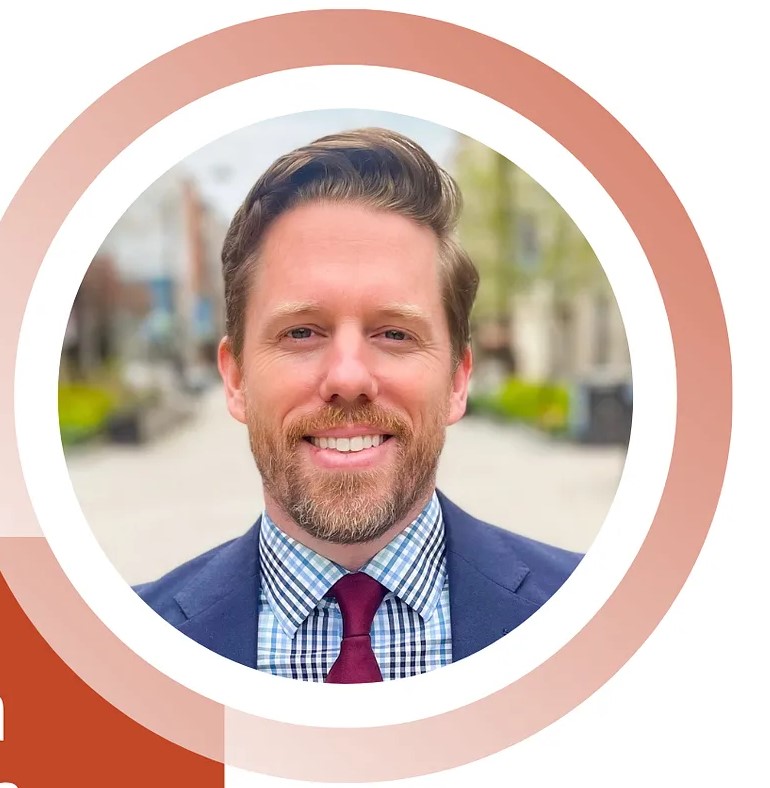
 From March 5 to 8, I’ll be in St. Louis for four days of public events, workshops, and conversations about immigration enforcement, organized by the Ashrei Foundation. The visit includes a packed schedule of events across universities, law offices, city halls, and congregations, and it reflects something that has defined my work from the beginning. My years of research on immigration enforcement data and policy, along with my involvement in immigrant rights organizing, have always reinforced the same recognition: immigration enforcement is fundamentally local.
We’ve seen this clearly over the past year in cities like Los Angeles, Chicago, Minneapolis, and Columbus. In each place, the way enforcement plays out depends on the local context: the enforcement landscape, the laws and policies in place, and the strength of the community networks, faith communities, and immigrant communities that are responding. The president sets the tone, federal policy sets the framework, but enforcement takes shape through the specific decisions of local police departments, county jails, and ICE field offices, and through the ways communities come together to welcome immigrants and love their neighbors.
As a geographer, this is how I approach immigration research. I study the local effects of immigration enforcement, how enforcement either latches onto or undermines other institutions, and how and why it looks different from one jurisdiction to the next. These patterns reflect local policing priorities, county jail contracts, the presence or absence of legal resources, and the political will of elected officials. St. Louis is a place where those patterns are especially revealing.
The St. Louis metro area recently experienced the highest percentage increase in its foreign-born population of any major metro in the country. At the same time, Missouri’s governor has signed a series of executive orders integrating state law enforcement into the federal deportation infrastructure, including a 287(g) agreement that deputizes the Highway Patrol to act as immigration officers. Rural counties like Phelps and Ste. Genevieve hold ICE detention contracts. The tensions between federal enforcement priorities and local community needs are all playing out here in ways that deserve careful attention.
Here’s a rundown of what the week looks like. Additional events may still be added, so check the Ashrei Foundation events page for the latest schedule.
Making Sense of Immigration Enforcement in 2026
Thursday, March 5 | 2:00–3:30 PM Saint Louis University, Busch Student Center Room 251B Co-hosted with the SLU Department of History and Center for Social Action
One year into the second Trump administration, immigration policy has been fundamentally transformed. This talk offers a clear-eyed assessment of where things stand: how enforcement has evolved, how the administration’s justifications have held up under legal and empirical scrutiny, and what the consequences are for immigrant families, communities, and the rule of law. I’ll also share practical tools for students and scholars trying to navigate this fast-moving landscape, including how to find, interpret, and critically assess immigration enforcement data. Open to the public, no registration required. More info