
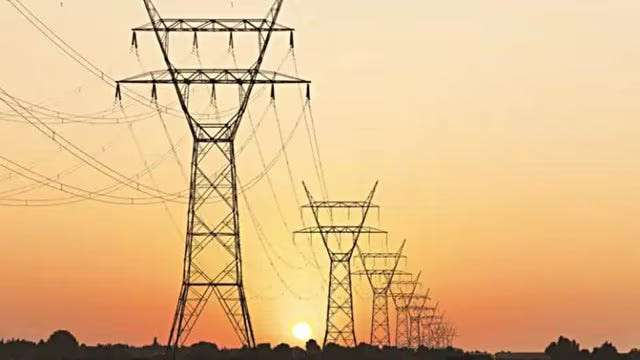
 The piece is triggered by the Draft Electricity (Amendment) Bill, 2025 put out by the Ministry of Power for public consultation, and by the immediate pushback in Punjab—from power engineers and employees’ organisations, joined by Kisan and farm-labour unions—who fear that a multi-licensee framework could blur accountability, weaken the public utility, and ultimately shift costs and risks onto consumers and the state.
This is not a Punjab-only issue. It is a pan-India reform with lasting impact on everyone: retail and industrial users, domestic consumers whether they receive free/subsidised supply or pay full tariff, and large commercial consumers who depend on predictable quality and reliability. Whatever one’s position on privatisation or competition, the central question is practical: how will the law and the contracts allocate responsibility for the network (“poles and wires”), service standards, and—most critically—subsidy settlement so that delayed government payments don’t force utilities into borrowing and don’t translate into disruption on the ground.
While the formal consultation deadline may have passed, that should not end public engagement. In a democracy, citizens can and should continue to make their voices heard—through MPs, state regulators, consumer groups, and public debate—so the legislative process reflects lived realities, not only policy abstractions.