
 Despite the Punjab Police projecting an impressive record card for 2025, the overall law and order situation in the state continues to raise serious concerns. On paper, the achievements appear remarkable and are often highlighted by the government to showcase effective policing. However, the lived reality on the ground tells a more complex and troubling story. Almost every day, incidents related to crime, drugs, violence, and public insecurity are reported from one or the other corner of Punjab, creating a perception that law and order remain fragile and inconsistent.
There is no denying that the Punjab Police has made notable strides in recent years. According to official data, peace and communal harmony have largely been maintained, and all reported terrorist-related incidents have been successfully resolved. Under the intensified campaign against drugs, nearly 40,000 arrests have been made in about 30,000 FIRs, with over 2,000 kilograms of heroin recovered in the current year alone. The conviction rate in NDPS cases stands at an impressive 88 per cent, the highest in the country, indicating strong follow-up and prosecution in narcotics-related cases.
Similarly, technological and institutional reforms deserve acknowledgement. More than 10,000 FIRs have been registered through the Safe Punjab Helpline, reflecting increased digital access to policing. The introduction of voice analysis through PAIS 2.0 is aimed at strengthening investigations, while the busting of 416 criminal modules and the arrest of 992 gangsters indicate focused action against organised crime. Official figures also point to a decline in major crimes such as murder, kidnapping, snatching, and theft. In cyber fraud cases, Punjab has frozen ₹80 crore out of ₹418.29 crore, ranking fourth nationally.
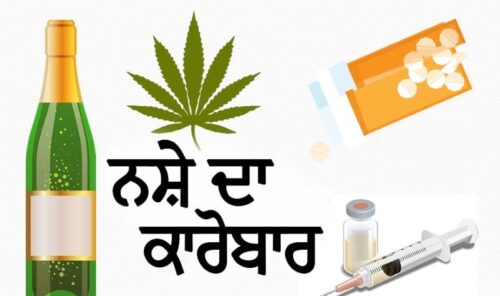
Yet, despite these achievements, the ground reality remains worrying. The continuous supply of illegal drugs and recurring deaths due to drug consumption expose deep-rooted failures in completely dismantling the drug network. While recoveries and arrests are highlighted, the demand and availability of narcotics persist, especially among the youth. This raises uncomfortable questions about the effectiveness of preventive measures, rehabilitation programs, and the ability of the system to strike at the real masterminds behind the drug trade rather than focusing largely on foot soldiers.
Another major concern is the relationship between the police and the general public. Despite reforms and helplines, a significant section of people still hesitate to approach the police for justice. Fear, mistrust, and past experiences of harassment or indifference continue to haunt public perception. Policing cannot be truly effective unless it is people-centric, transparent, and empathetic. A force that delivers results but fails to inspire confidence among citizens risks losing its moral authority.
Moreover, frequent incidents of violence, targeted killings, gang rivalries, and social unrest undermine official claims of a stable law and order environment. The sense of insecurity felt by ordinary citizens cannot be brushed aside by statistics alone. Law and order is not merely about crime numbers going down; it is about people feeling safe in their homes, on the streets, and in their daily lives.
In conclusion, while the Punjab Police deserves credit for measurable achievements, these successes must not be used to mask persistent shortcomings. The challenge ahead is to convert statistical success into real, visible safety and public trust. Strong action against drugs, genuine police-public engagement, accountability, and political will are essential if Punjab is to move from controlled damage to lasting law and order. Until then, the gap between official claims and public experience will continue to trouble the state.(Writer is a Executive Director North American Punjabi Association www.thenapa.com)