
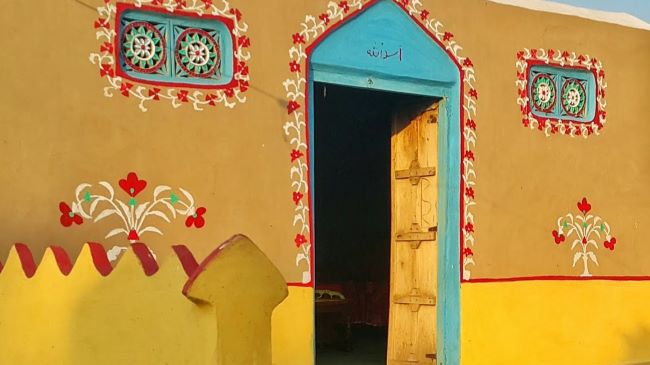
 For generations, the village has been the heartbeat of Punjab. Long before highways, shopping malls and smartphones became part of daily life, Punjab’s villages were self-sufficient worlds where farming, faith and family shaped identity. The rhythm of life followed the seasons, ploughing in winter, harvesting in spring, monsoon rains in summer with the village gurdwara, the chaupal and the fields serving as centres of social life. Today, while tractors roar louder than bullocks and WhatsApp groups spread news faster than the village drummer, the soul of rural Punjab continues to balance tradition with transformation.
In the past, most Punjabi villagers lived in joint families, sharing labour, food and responsibilities under one roof. Homes were built of mud or baked bricks, with open courtyards where women cooked, children played and elders resolved disputes. Agriculture was not just an occupation but a way of life. Crops like wheat, bajra, pulses and sugarcane were grown in rotation, supported by wells, canals and seasonal rainfall. Local artisans lohars, tarkhans, weavers and cobblers formed the backbone of the rural economy, while barter systems and mutual dependence kept the village functioning as a close-knit unit. Cultural life flourished through folk songs, kisse, Bhangra, Giddha and religious festivals that strengthened collective identity.
The arrival of the Green Revolution in the 1960s dramatically altered this landscape. Punjab emerged as India’s food bowl, powered by high-yield wheat and rice, tube wells, tractors and chemical fertilisers. Prosperity entered many villages, reflected in concrete houses, mechanised farming and improved connectivity. Education expanded, and thousands of young Punjabis began migrating to cities and foreign countries in search of better opportunities. Remittances transformed village economies, funding large homes, private schools and new businesses. Yet, beneath this progress, new problems quietly took root , declining groundwater levels, soil exhaustion, rising farm costs, and increasing debt among small farmers.
Modern Punjabi villages today present a complex picture. While agriculture remains central, it is no longer sufficient for many families. Non-farm employment, overseas income and service-sector jobs have become equally important. Smartphones, internet access and social media have connected villages to the wider world, reshaping aspirations and political awareness. Women today are more educated and visible in public life than earlier generations, yet traditional gender norms still influence land ownership and decision-making. The joint family system is slowly giving way to nuclear households, altering care structures for the elderly and social cohesion.
Culturally, villages continue to celebrate festivals with enthusiasm, but the influence of global media is unmistakable. Folk traditions coexist with modern music, gyms stand alongside akharas, and kabaddi tournaments share attention with cricket matches on television. At the same time, villages face serious challenges youth unemployment, drug abuse, environmental degradation and farmer distress. Crop residue burning, water scarcity and climate uncertainty threaten the sustainability of rural life.
Despite these challenges, Punjab’s villages are not standing still. Farmers are experimenting with diversification, organic methods and allied activities like dairy and beekeeping. Women’s self-help groups, rural entrepreneurs and cooperative models are offering new hope. The future of Punjab’s villages depends on balancing modern development with ecological sustainability and social inclusion. As Punjab looks ahead, its villages remain not relics of the past, but living spaces of resilience, adaptation and enduring cultural strength.