
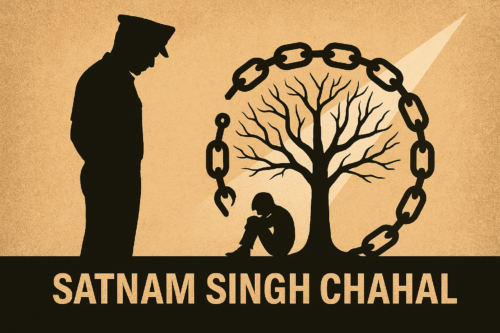
 India’s democracy is often celebrated for its scale, but beneath the surface lies a system struggling under the weight of outdated structures inherited from its colonial past. The renewed debate over whether India should study or even adopt elements of Nepal’s electoral framework has exposed a deeper truth: the country’s political machinery has not evolved at the pace of its people. While Nepal undertook bold structural reforms—strengthening proportional representation, decentralising power, and tightening accountability—India continues to rely on mechanisms designed for a very different era. These inherited systems have shaped a political culture that rewards hierarchy, opacity, and entrenched power rather than genuine public representation.
Across the country, citizens are increasingly frustrated by widening gaps between leaders and the people they claim to serve. Complaints about political dynasties, limited transparency, and stagnant governance are no longer isolated grievances; they reflect a broader democratic fatigue. Reform advocates argue that India must confront the uncomfortable reality that its current electoral design disproportionately benefits those already in power. They believe that adopting elements of Nepal’s model could rebalance representation, amplify marginalised voices, and reduce the dominance of long‑standing political families. For them, the issue is not about copying another nation but about acknowledging that the status quo is failing too many people.
Critics, however, caution that India’s size and diversity make any comparison with Nepal simplistic. They warn that importing another country’s system could create new complications. Yet behind this caution often lies a quieter truth: those who benefit from the existing structure have little incentive to support meaningful reform. Resistance is not only ideological—it is structural, embedded in institutions that have grown comfortable with limited accountability. As a result, discussions about electoral reform are frequently dismissed or delayed, even as public dissatisfaction grows louder.
India now stands at a crossroads. It can continue to rely on a political framework that was never designed for a modern, diverse, and politically aware population, or it can begin the difficult but necessary work of reimagining its democratic foundations. The debate sparked by Nepal’s example is ultimately a reflection of a larger question: how long can a nation of 1.4 billion people depend on systems that no longer reflect their aspirations? The demand for stronger rights, deeper representation, and a more responsive political order is rising. Whether those in power will allow the country to move toward genuine reform remains the unanswered question