
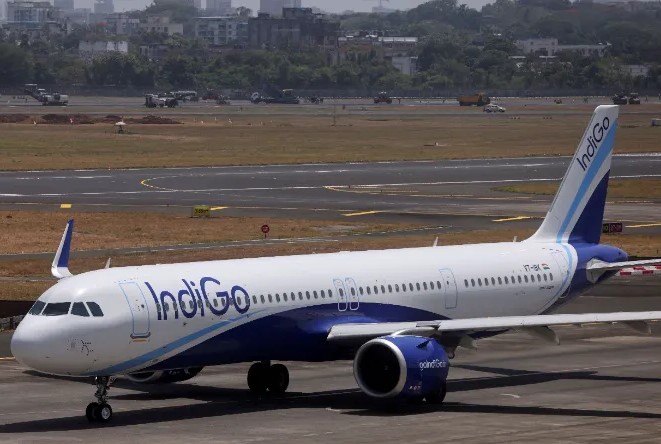
 India’s largest airline, IndiGo, is passing through one of the worst operational breakdowns in its history. For years, it was considered reliable, affordable, and punctual. But in recent weeks, massive flight cancellations, long delays, and chaotic scenes at airports have raised serious questions about the airline’s planning, management, and ability to handle sudden regulatory changes. The airline’s troubles began soon after new pilot-rest and duty-time rules came into force, but the scale of disruption exposed much deeper issues within its operations.
At the heart of the crisis is a severe shortage of pilots combined with the airline’s long-standing “lean staffing model.” For years, IndiGo depended on maximum aircraft utilisation—especially night flying—and operated with very thin crew reserves. This meant that when India’s aviation regulator introduced stricter Flight Duty Time Limitations (FDTL) to improve pilot safety and reduce fatigue, IndiGo simply did not have enough pilots to meet the new requirements. The airline struggled to adjust schedules, resulting in thousands of flights being cancelled or delayed within a few days. Experts say this was not a sudden shock: IndiGo had months to prepare but chose not to expand pilot hiring or increase operational buffers.
Under pressure, IndiGo has argued that the meltdown is a result of “multiple factors” including the new regulations, higher rest requirements for crew, and technical issues. The airline has requested more time to rework schedules and has sought temporary relaxations from the DGCA to stabilise operations. It has also announced that it would offer automatic refunds for cancelled flights and waive fees for cancellations or rescheduling during the worst days of the crisis. Still, critics say the airline is trying to shift blame onto regulations rather than accepting responsibility for poor planning and understaffing.
The collapse in operations has caused enormous hardship for passengers across India and abroad. Thousands of travellers have been stranded at airports, sometimes after checking in or even boarding. People have missed weddings, exams, business meetings, and medical appointments. The last-minute rush for alternative flights pushed ticket prices to extremely high levels, forcing many families to cancel travel entirely. At airports, scenes of frustration were common as passengers complained of long queues, lost baggage, and almost zero communication from the airline. For many Indians, the crisis has shown how vulnerable the aviation system becomes when a single airline controls such a large share of the domestic market.
Beyond inconvenience, there is also financial and emotional loss to the public. Passengers had to spend money on hotels, taxis, and expensive last-minute tickets. Elderly travellers and families with children suffered without proper assistance. Business travellers lost work opportunities, and students missed important exams and deadlines. Trust—once IndiGo’s strongest asset—has taken a major hit. Many passengers now think twice before booking with IndiGo, unsure whether their flights will operate or be cancelled at the last minute.
Looking ahead, IndiGo will have to change the way it operates. Hiring more pilots, improving staffing buffers, reducing over-dependence on night flights, and building stronger customer-service teams will be essential if it wants to regain public confidence. The crisis also raises bigger questions about whether any airline should hold such a dominant share of the market—because when a major player collapses, the entire nation feels the shock. For now, passengers are hoping for stability, but IndiGo has a long road ahead to rebuild reliability and trust.