
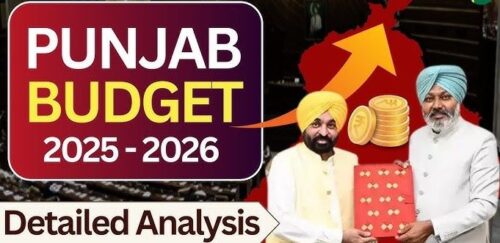
A special session of the Punjab Assembly is convened outside the regular legislative calendar to address matters that require urgent attention. Unlike routine sessions, these are called when pressing issues demand immediate discussion and legislative action. Such sessions play an important role in responsive governance and allow the Assembly to remain dynamic in the face of crises or emerging policy challenges.
The merits of holding a special session are significant. First and foremost, it allows the government and lawmakers to respond quickly to urgent matters affecting citizens. For example, public safety issues, natural disasters, economic crises, or sudden policy requirements can be debated and resolved without waiting for the next scheduled session. Second, special sessions provide an opportunity for focused discussion on a limited set of issues. Unlike regular sessions, which often cover a broad legislative agenda, a special session is usually concentrated on one or two key topics, allowing lawmakers to debate in depth and propose effective solutions. Third, such sessions reinforce transparency and accountability. By bringing together legislators to scrutinize urgent matters, the government demonstrates that it values parliamentary oversight and public participation in decision-making. Finally, these sessions can result in timely solutions, ensuring that policies and decisions are enacted at the pace that urgent situations demand.
However, special sessions also have certain demerits. Organizing a session at short notice can be expensive, requiring funds for staff, administration, and logistics. There is also the potential for political misuse. For instance, special sessions may sometimes be convened to serve partisan interests rather than public welfare. A notable example is the recent incident involving MLA Sukhpal Singh Khaira, who faced procedural challenges and alleged mistreatment during a special session. Critics argued that he was sidelined in discussions, which highlighted how such sessions can sometimes be manipulated, leading to political tension and dissatisfaction among lawmakers. Another concern is the fatigue of legislators. Frequent or unplanned sessions can overload lawmakers, giving them insufficient time to prepare for complex debates and resulting in rushed or poorly thought-out decisions.
In addition, special sessions can sometimes disrupt the regular functioning of the Assembly. Lawmakers may be forced to divert attention from other legislative duties, and administrative planning may be strained. Overuse of special sessions may also dilute the importance of regular sessions and confuse priorities in governance. Nevertheless, when convened appropriately, special sessions remain an essential tool for democratic responsiveness, enabling legislators to act swiftly while ensuring accountability.
In conclusion, special sessions of the Punjab Assembly are a powerful mechanism for addressing urgent matters, offering advantages such as fast decision-making, focused debate, and improved transparency. However, their misuse or overuse, as seen in controversies like the procedural challenges faced by MLA Sukhpal Singh Khaira, can undermine the effectiveness of the Assembly and erode public trust. Therefore, careful planning, clear objectives, and adherence to parliamentary norms are crucial to maximize the benefits of such sessions while minimizing potential drawbacks.