
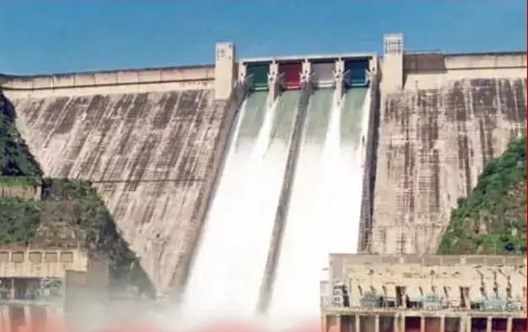
 The politics of river waters in Punjab has once again surfaced, revealing not just a dispute over distribution but a deeper crisis rooted in decades of extraction, imbalance, and unresolved federal tensions. What is unfolding today is not a sudden confrontation, but the continuation of a long and complex struggle over how natural resources are shared, valued, and sustained across states.
Punjab, once celebrated as India’s breadbasket, built its agricultural success on an intensive irrigation model. Over time, this model became heavily dependent on groundwater due to changing river water availability and interstate arrangements. As river flows were diverted beyond their borders, farmers within the state increasingly turned to underground reserves. This shift, initially seen as a practical adjustment, has now evolved into an ecological emergency. Water tables have plunged across districts, tube wells have deepened, and the cost of sustaining agriculture has risen sharply.
Experts who have studied this issue over the years consistently pointed out that the burden borne by Punjab is not merely environmental but also economic. The extraction of groundwater at such a massive scale requires significant investment in infrastructure, electricity, and maintenance. In effect, the state has been compensating for reduced river access by drawing heavily on its own reserves an arrangement that has long-term consequences not only for sustainability but also for fiscal health.
Historically, the allocation of river waters between northern states has been guided by agreements and tribunal decisions that many in Punjab argue did not fully account for future agricultural demands or ecological limits. As cropping patterns intensified and water-intensive crops became dominant, the mismatch between allocation and need widened. What was once manageable gradually turned into a structural imbalance.
The current political assertions must therefore be seen in this broader context. They reflect accumulated grievances—economic, environmental, and political. Raising the issue in financial terms signals a shift in strategy, framing the conversation not only as a question of rights but also of compensation and accountability. It is an attempt to quantify decades of perceived disadvantage, even though placing a monetary value on natural resources remains a contentious and complex exercise.
At the same time, this approach opens up difficult questions. Can the usage of shared natural resources over generations be retroactively monetized? Would such calculations lead to constructive resolution, or deepen inter-state divisions? More importantly, does focusing on past accounting distract from the urgent need to develop a sustainable water-sharing framework for the future?
Punjab’s water crisis today demands more than political positioning. It requires a comprehensive rethink of agricultural practices, including diversification away from water-intensive crops, investment in efficient irrigation technologies, and stronger groundwater regulation. Equally critical is the need for cooperative federalism where states engage not in confrontation, but in negotiation based on scientific data, climate realities, and mutual dependence.
Climate change adds another layer of urgency. Variability in monsoon patterns, declining river flows, and rising temperatures are likely to exacerbate existing stresses. Without coordinated action, disputes over water could intensify, affecting not just agriculture but also drinking water security and regional stability.
Ultimately, the issue is not just about who owes what, but about how a shared and finite resource can be managed responsibly. Punjab’s experience serves as a cautionary tale—of how short-term solutions can evolve into long term crises if not addressed with foresight and cooperation. The path forward lies not in revisiting past grievances alone, but in building a framework that ensures equity, sustainability, and resilience for generations to come.
This article is based on verified reports from The Quint, The Tribune, The Wire, Article-14, Oxford Human Rights Hub, and government data from the National Crime Records Bureau.