
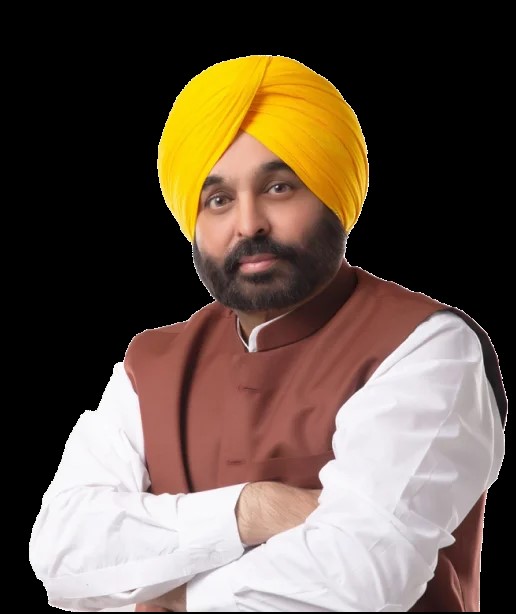
 Punjab Chief Minister Bhagwant Mann was summoned by Akal Takht Jathedar Giani Kuldeep Singh Gargaj on January 15 to explain alleged remarks against Sikh institutions The Tribune. Mann’s initial response appeared humble and compliant, but his subsequent request has raised serious questions about understanding the nature of religious authority.
Mann initially stated he would appear before Akal Takht walking barefoot as a humble Sikh, not as Chief Minister The Tribune, declaring that “For me, Akal Takht is supreme” The Tribune. However, days later, Mann requested live streaming of his appearance, claiming requests from Sikh Sangat worldwide seeking live telecast of the proceedings The Tribune.
The Akal Takht rejected this request, stating there was no precedent for broadcasting proceedings held inside the Secretariat The Tribune, emphasizing that such proceedings are recorded only for official purposes.
e
The reference to Sukhbir Singh Badal is instructive. When Badal appeared before Sri Akal Takht Sahib, the proceedings were not broadcast live. He was asked direct questions requiring yes or no answers. There was no platform for debate or lengthy explanations—only accountability.
This is the established tradition of Akal Takht. It is not a modern courtroom with cameras and live broadcasts. It is not a debating forum. It is a religious institution operating according to centuries-old Sikh traditions.
SGPC member Gurcharan Singh Grewal warned against politicizing the matter and emphasized that anyone appearing before the Akal Takht should do so with humility, without setting
This captures the core issue: Does Chief Minister Bhagwant Mann want to have a debate there? Does he want to turn a religious proceeding into a political spectacle?
The arrangement of Akal Takht is deliberate. It allows for clarification, not debate. Proceedings inside the Secretariat are videographed exclusively for the Secretariat’s records, seldom made public The Tribune. Even Five High Priests meetings scheduled in the designated room inside the Secretariat are never telecast live The Tribune.
The principle is straightforward: Either accept the arrangement of Sri Akal Takht Sahib or do not. No worldly law compels anyone to appear before Akal Takht Sahib. This is a matter of religious faith and voluntary submission to spiritual authority.
If CM Mann truly accepts the supremacy of Akal Takht, as he claimed, then imposing new conditions or demands contradicts that acceptance. Jathedar Gargaj clarified that since Mann is not a ‘Sabat Surat Sikh’, he cannot appear before the Takht’s fasil and was asked to appear at the secretariat instead The Tribune—this itself is already an accommodation to traditional protocols.
When Mann says Akal Takht is “supreme,” does he mean supreme on his terms? With television cameras? With live broadcasts? With opportunities for political messaging?
Or does he mean supreme in the traditional sense—accepting whatever process, format, and outcome the Jathedar determines, just as Sukhbir Badal and countless others have done?
The meeting is scheduled for January 15. The world will see whether CM Bhagwant Mann’s actions match his words, or whether his proclaimed humility was merely political theater.
True submission to authority doesn’t come with riders and conditions. It comes with acceptance—complete and unconditional.