
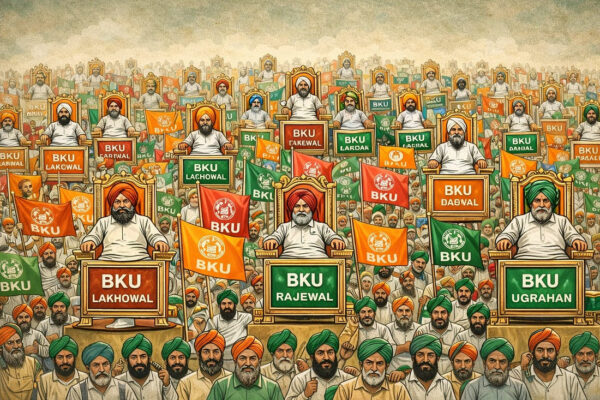
 There exists in nature a fascinating creature known as the politician, whose behavior dramatically changes depending on one simple condition: whether they are in power or out of it. Political scientists may talk about ideology, policy, and governance, but the general public knows the real truth—power doesn’t just change people, it gives them a whole new personality, wardrobe, accent, and memory system. The same politician who once knew every voter by name suddenly struggles to recognize their own constituency map once they occupy a government office.
When out of power, politicians are among the most approachable beings on earth. They attend weddings uninvited, funerals without fail, and religious events with Olympic-level punctuality. Their phones never switch off, their smiles never fade, and their hands are always folded in humility. At this stage, they firmly believe in “people first,” “ground reality,” and “grassroots connection.” They walk narrow lanes, drink roadside tea, and assure the public that they are just “one call away,” even though the call usually goes unanswered once the election results are declared.
Once in power, however, a remarkable transformation takes place. The same leader who once stood in long queues with the public now travels with longer convoys than wedding processions. The folded hands are replaced by raised eyebrows, the humble chair by a throne-like sofa, and the common man by layers of security. Suddenly, meetings require appointments, appointments require recommendations, and recommendations require divine intervention. The politician’s phone is still on—but now it is permanently “in a meeting.”
In power, politicians develop a unique understanding of time. Public problems become “under consideration,” “in process,” or “on the agenda,” which in political language means they may be addressed sometime between the next election and the end of civilization. Complaints that once caused outrage now cause mild nodding. Files move slowly, but excuses move fast. The politician assures everyone that the system is slow, forgetting that they are now officially the system.
Out of power again, the miracle repeats. Suddenly, the politician rediscovers empathy. They now stand with the public against corruption, inflation, unemployment, and—most importantly—the government they were part of just yesterday. Press conferences are called, social media posts become fiery, and phrases like “anti-people policies” return to daily vocabulary. The public watches in confusion as the same person protests the same problems they once defended with equal passion.
Perhaps the funniest part of this relationship is memory loss and recovery. In power, politicians conveniently forget promises, faces, and sometimes even their own speeches. Out of power, their memory returns in full HD. They remember every injustice, every pending file, and every citizen’s suffering. They remember the public’s pain so vividly that one wonders how such compassion mysteriously vanished during their time in office.
Yet, despite all this, the general public continues to hope. They laugh, complain, criticize, and still vote. Because deep down, people understand this political comedy is not a one-time show—it’s a long-running series with recurring characters. The actors change roles, the script repeats, and the audience keeps returning, waiting for the day when power does not change behavior and leadership does not require a reminder of humility.
Until then, the relationship between politicians and the public remains complicated: loving before elections, distant during power, and apologetic afterward. A true political love triangle—between power, promises, and people—where sadly, the people are always the ones waiting for a happy ending.