
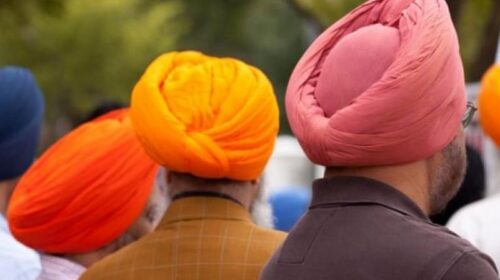
The Sikh turban is one of the most recognizable and respected religious symbols in the world. It stands for courage, discipline, honesty, sacrifice, and the moral duty to protect the weak and serve humanity. From the battlefields of world wars to the streets of modern cities, turbaned Sikhs have earned global respect through bravery, hard work, and selfless service. Yet, in recent years, a troubling reality has emerged—a very small number of individuals wearing the turban have been involved in serious crimes across different countries, causing embarrassment and emotional pain to the global Sikh community. While their actions represent only themselves, the visible identity of the turban often results in collective blame and damaging stereotypes.
In Canada, particularly in British Columbia and Ontario, law enforcement agencies have exposed several organized crime and drug trafficking networks involving individuals of Punjabi Sikh background, some of whom openly wore the turban. These high-profile arrests received massive media coverage, and in many cases, the turban became a central visual focus rather than the crime itself. As a result, innocent Sikh youth faced increased racial profiling, suspicion, and bullying, despite the fact that the vast majority of Sikh Canadians are law-abiding professionals, workers, entrepreneurs, and community volunteers. Sikh organizations repeatedly condemned these crimes, yet the reputational damage lingered.
In the United States, similar patterns surfaced. Authorities in states like California, Texas, and parts of the Midwest dismantled drug supply chains, human smuggling rings, and financial fraud operations involving a few turbaned individuals. Media footage once again highlighted religious identity more than criminal networks. This created fear and misunderstanding among the general public and made life more difficult for ordinary Sikh Americans who had nothing to do with these crimes. At the same time, thousands of turbaned Sikhs serve honorably in the U.S. military, law enforcement, healthcare, transport, and business—yet their positive contributions rarely receive the same attention as criminal headlines.
In Europe, especially in Italy, Spain, and the United Kingdom, Sikh migrants are widely known for their back-breaking labor in agriculture, logistics, and manufacturing. However, isolated cases of turbaned Sikhs being arrested for drug distribution, illegal labor exploitation, human trafficking, and organized financial crime became sensational political tools in anti-immigrant narratives. Far-right groups in some countries used these rare incidents to spread hatred against all Sikhs, while ignoring the poverty, exploitation, and inhuman working conditions faced by most Sikh laborers.
Even in peaceful countries like New Zealand and Australia, a few highly publicized cases involving turbaned Sikh individuals convicted in violent crimes and drug trafficking deeply shocked the public. Sikh communities there acted swiftly, openly condemning the crimes and cooperating with authorities to reassure society. Still, the moral shock was severe because the turban—traditionally associated with protection and dignity—was suddenly being linked to criminal behavior in national headlines.
In parts of Southeast Asia, including Malaysia and Thailand, where Sikhs are a small minority, arrests of turbaned individuals in transnational drug courier operations led to increased airport scrutiny for innocent Sikh travelers. Similarly, in some Middle Eastern countries, Sikh expatriate workers faced social discomfort after a few arrests related to illegal remittance networks, narcotics smuggling, and financial fraud. In regions where Sikhs already live as social minorities, even a single criminal case can create wide-ranging fear and stigma.
The pain deepens further when wrongdoing is not limited to street crime but enters religious and community institutions themselves. Across different countries, allegations and proven cases of financial corruption, misuse of religious donations, intimidation, and power abuse within Sikh organizations have surfaced. When individuals in religious leadership positions—many of them turbaned—betray the trust of the Sangat for personal gain, the damage is not merely legal; it is spiritual. Such actions corrode faith in institutions that were built on sacrifice and service.
It must be stated clearly and without ambiguity: these individuals do not represent Sikhism. Sikh principles strictly forbid intoxication, exploitation, dishonesty, violence, and corruption. The Sikh identity does not grant immunity from law, and the turban does not protect anyone from moral accountability. When someone commits a crime while wearing the turban, it becomes a double betrayal—of civil law and of Sikh values.
At the same time, the Sikh community must also confront an uncomfortable internal truth. Defending the community from racism and prejudice is necessary, but defending criminals simply because they share our religious identity is dangerous. Silence, denial, or blind loyalty only strengthens the very forces that harm Sikh society from within. True protection of the turban lies not in emotional defense, but in fearless self-correction.
The turban is not just an article of clothing—it is a lifelong moral contract. It demands truth, restraint, humility, and service at an exceptionally high standard. When a few misuse this sacred symbol for greed, crime, or power, they weaken the spiritual meaning of the Sikh identity and give ammunition to those who already search for reasons to stereotype and hate.
The solution lies in strong community discipline, transparent leadership, fearless condemnation of wrongdoing, and education of the younger generation. Sikh youth must be taught that the honor of the turban comes from character, not appearance; from sacrifice, not slogan; from service, not status. Only then can the Sikh Panth protect both its global reputation and its sacred legacy.