
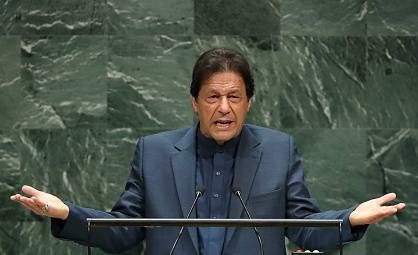
 A fresh wave of political outrage erupted on Monday after a senior Pakistan Tehreek-e-Insaf (PTI) lawmaker alleged that former Prime Minister Imran Khan, currently confined in Adiala Jail, is being subjected to intense pressure by the ruling establishment to leave the country. The claim has renewed national and international attention on the conditions of Khan’s imprisonment and the broader debate over political freedoms in Pakistan.
According to the PTI legislator, Imran Khan remains “alive, resilient, and unbroken in Adiala Jail,” despite what he described as systematic attempts to isolate him and coerce him into permanent exile. He said the regime’s strategy is clear—silence the most influential opposition figure by forcing him out of the political landscape, rather than allowing due judicial process to take its course. The lawmaker further alleged that intermediaries aligned with the government have conveyed explicit messages that Khan’s release is contingent on his willingness to leave Pakistan.
PTI leaders condemned these tactics, calling them a direct attack on democratic principles and a violation of basic human rights. They argued that no government has the authority to pressure a citizen—let alone an elected former Prime Minister—to abandon his homeland. They said that if the allegations are true, it would mark one of the darkest chapters in Pakistan’s constitutional history, where dissent is weaponized and political battles are fought not at the ballot box but behind prison walls.
Civil society groups and legal experts have also expressed concern, noting that Imran Khan’s prolonged imprisonment, limited access to legal counsel, and the secrecy surrounding proceedings raise serious questions about transparency and rule of law. Human rights organizations have repeatedly demanded that Pakistan ensure fair trial guarantees and refrain from using coercive tactics to manipulate political outcomes.
The PTI lawmaker called for immediate international scrutiny, urging global democratic institutions, human rights bodies, and friendly nations to take notice of what he termed the “regime’s authoritarian tactics.” He insisted that Imran Khan will not bow to pressure and remains committed to staying in Pakistan to lead what PTI describes as a struggle for genuine democratic reforms.
As political temperatures continue to rise, the allegations have added another layer of complexity to Pakistan’s already volatile political environment. The government has yet to respond formally, but the claims have further deepened polarization and sharpened fears that the political crisis may only escalate in the coming months.