
 From the critics’ perspective, the pattern of suspensions suggests the government may be using administrative actions as a tool for political control over the bureaucracy. When 20 officers are suspended over four years, including senior IAS officers, it creates a narrative of systematic pressure rather than isolated accountability measures. Critics argue this approach intimidates officers into compliance with political leadership, making them reluctant to take independent decisions or offer candid advice that might contradict the government’s preferences.
This can create a culture of fear within the civil service. Another dimension of this criticism centres on deflecting accountability. The argument is that the government is making officers scapegoats for its own policy failures and unfulfilled promises. Rather than acknowledging shortcomings in governance or resource allocation, the leadership shifts blame to “non-cooperative” or “inefficient” bureaucrats. This narrative conveniently redirects public attention away from questions about why electoral promises haven’t been delivered, focusing instead on administrative obstacles.
The governance paralysis argument suggests that frequent suspensions create a demoralised and risk-averse bureaucracy. When officers see their colleagues suspended, they may become hesitant to make bold decisions or take necessary initiatives, fearing similar consequences. This can lead to administrative gridlock where decisions are delayed, files move slowly, and policy implementation suffers. The very tool meant to ensure accountability may paradoxically undermine effective governance.
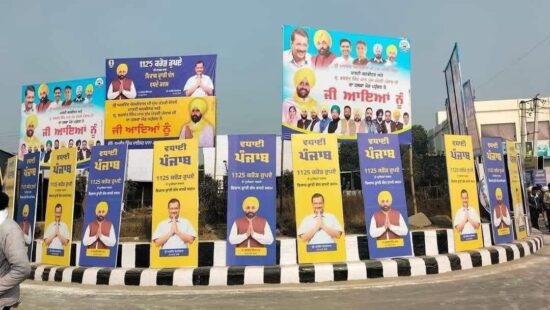
The reference to “badlav” (change) and the claim that Punjab has been “bankrupted” reflects disappointment with unfulfilled electoral promises. AAP came to power on an anti-corruption, pro-development platform promising transformative change. Critics argue that instead of the promised transformation, Punjab has experienced a financial crisis and administrative chaos, with the dual focus on Delhi and Punjab diluting effectiveness in both states.
However, the government and its supporters would offer counter-narratives. They might argue that suspensions are legitimate accountability measures for non-performance, corruption, or insubordination. The civil service, they would contend, is not above scrutiny, and previous governments allowed bureaucratic lethargy and even corruption to flourish unchecked. Taking action against non-performing officers is necessary to implement the reforms voters demanded. Supporters might also point to structural resistance within the bureaucracy. They could argue that entrenched officers, some potentially loyal to previous political dispensations, resist change and reforms. The old system had comfortable arrangements that reform-minded governments must disrupt, and this naturally creates friction. From this perspective, some level of confrontation with resistant bureaucracy is inevitable when trying to bring genuine change.
Additionally, defenders would highlight inherited challenges. Punjab’s financial crisis predates AAP’s governance, with previous governments leaving behind substantial debt and systemic issues. The state’s fiscal health was already precarious, and blaming the current government for conditions it inherited may be unfair. They might argue that bureaucratic inefficiency compounds the challenge of addressing these pre-existing problems.This situation reflects broader tensions in political-bureaucratic relations that exist across India. There’s an inherent tension between elected governments seeking to implement their mandate and a permanent civil service that provides continuity and expertise. The question of where accountability ultimately lies—with ministers who make policy decisions or with officers who implement them—is complex and contested. In Punjab’s case, this is further complicated by the federal structure where officers serve the state government but belong to cadres controlled by the central government.
To properly assess these competing narratives, one would need to examine specific details: What were the actual reasons for each suspension? Were due processes and proper procedures followed? How does the suspension rate compare to previous governments in Punjab? What is the actual implementation record on key electoral promises? What do independent assessments and data say about governance quality under AAP? Without this detailed examination, both the criticism and the defense remain political narratives that serve their respective positions.
Ultimately, this represents legitimate democratic debate about governance standards, the proper relationship between political leadership and civil service, and how accountability should function in a democracy. Both concerns about government overreach and demands for bureaucratic accountability have validity, but which perspective is more accurate depends on the specific facts and circumstances of each individual case.