
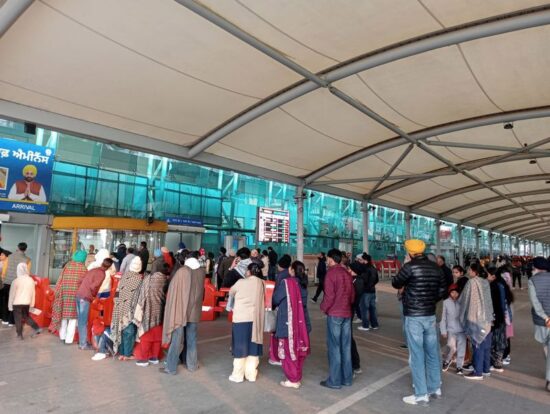
 The reported proposal for a 50-year lease of Sri Guru Ram Dass Jee International Airport, Amritsar (ATQ) has understandably raised questions and concerns. Amritsar is not an ordinary airport. For Punjab, it is an international gateway, a major link for the Punjabi diaspora, a pilgrimage gateway for visitors to Sri Harmandir Sahib, and an important economic, tourism and business connection to the rest of the world. Therefore, any long-term arrangement involving the airport deserves complete transparency and serious public discussion. But there is an even bigger question that Punjab should be asking: Why are we discussing only Amritsar? Why are we not discussing the aviation future of the whole of Punjab?
The issue should not simply be whether a private company operates an airport or whether the Airports Authority of India continues to operate it. The real issue is whether the arrangement protects the long-term interests of passengers, airlines, businesses, tourists, pilgrims and the Punjabi diaspora. A private concession does not automatically mean a monopoly, but when a private operator receives long-term control of a strategically important gateway with limited competing alternatives, the possibility of excessive market power deserves careful scrutiny. The government must therefore ensure that competition, passenger interests and future connectivity are protected.
A 50-year agreement is not a small administrative decision. Fifty years means several generations. Governments will change, chief ministers will change, political parties will change, airlines will change, technology will change and passenger demand will change. But a long-term concession can continue through all those changes. That is why Punjab cannot look at such an arrangement only through the question of how much money the government may receive today. It must ask what passengers will pay tomorrow, how many airlines will operate, how international connectivity will develop, what investment will be guaranteed, what performance standards will apply and what will happen if the operator fails to deliver.
> **“ਪੰਜਾਹ ਸਾਲਾਂ ਦੀ ਗੱਲ ਏ ਜੀ,
> ਕੋਈ ਪੰਜ ਮਹੀਨੇ ਦੀ ਗੱਲ ਨਹੀਂ;
> ਅੱਜ ਫੈਸਲਾ ਕਰਨਾ ਸੌਖਾ ਏ,
> ਪਰ ਕੱਲ੍ਹ ਦੀ ਜ਼ਿੰਮੇਵਾਰੀ ਛੋਟੀ ਨਹੀਂ।”**
Sri Guru Ram Dass Jee International Airport, Amritsar, is officially recognised as an international airport. Its importance goes far beyond the physical airport boundary. For millions of Punjabis, especially those living in Canada, the United States, the United Kingdom, Europe, Australia and the Middle East, Amritsar is the natural gateway to their homeland. Their travel is not limited to tourism. It involves family visits, weddings, funerals, religious pilgrimages, business, education, investment and cultural connections. That makes Amritsar Airport a strategic public asset whose future deserves scrutiny at the highest level.
But this is precisely where Punjab must broaden the discussion. Why only Amritsar? Why not the whole of Punjab? Punjab has several airports serving different regions, and the state needs to develop them as a coordinated network rather than allowing one airport to become overwhelmingly dominant.
The state’s aviation map should be discussed in terms of Sri Guru Ram Dass Jee International Airport, Amritsar; Shaheed Bhagat Singh International Airport, Chandigarh; Ludhiana Airport at Halwara; Adampur Airport; Bathinda Airport; and Pathankot Airport. These airports have different geographical and economic roles and should not necessarily be viewed as competitors. Together, they can form the foundation of a much stronger aviation network for Punjab.
Shaheed Bhagat Singh International Airport, Chandigarh (IXC) deserves particular clarification. It is commonly referred to as Chandigarh Airport or Mohali Airport because the airport is located in the Mohali area, but it should not be treated as two separate airports. It is one airport serving the Chandigarh region and the surrounding areas of Punjab and Haryana. Therefore, the Punjab aviation debate should refer to it by its proper name rather than describing “Mohali Airport” and “Chandigarh Airport” as separate facilities.
Ludhiana Airport at Halwara (LUH) has the potential to become particularly important for Punjab’s industrial heartland. Ludhiana is one of the state’s major manufacturing centres, and improved air connectivity could benefit industry, business travel, investment and cargo operations. The airport’s success should therefore not be measured only by the number of passenger flights but also by its potential contribution to the wider industrial economy.
Adampur Airport (AIP) can play an important role for the Doaba region, including Jalandhar and surrounding districts. For a region with a particularly strong connection to the Punjabi diaspora, improved and reliable connectivity can reduce dependence on distant airports and make travel more convenient for families, students, businesses and overseas Punjabis.
Bathinda Airport (BUP) has the potential to strengthen air connectivity in southern Punjab and the wider Malwa region. Rather than allowing regional airports to remain dependent on occasional or fragile routes, Punjab needs a long-term strategy to develop sustainable passenger and, where commercially viable, cargo connectivity.
Pathankot Airport (IXP) can serve northern Punjab and also provide connectivity for neighbouring regions. Its strategic location means that its future should be considered as part of a wider regional aviation strategy rather than simply according to short-term passenger numbers.
> **“ਅੰਮ੍ਰਿਤਸਰ ਉੱਡੇ ਤਾਂ ਪੰਜਾਬ ਉੱਡੇ,
> ਲੁਧਿਆਣਾ ਉੱਡੇ ਤਾਂ ਉਦਯੋਗ ਉੱਡੇ;
> ਦੋਆਬਾ ਉੱਡੇ ਤਾਂ ਪਰਵਾਸੀ ਜੁੜੇ,
> ਮਾਲਵਾ ਉੱਡੇ ਤਾਂ ਨਵੇਂ ਰਸਤੇ ਖੁੱਲ੍ਹਣ;
> ਸਵਾਲ ਇੱਕ ਹਵਾਈ ਅੱਡੇ ਦਾ ਨਹੀਂ—
> ਸਵਾਲ ਪੂਰੇ ਪੰਜਾਬ ਦੀ ਉਡਾਣ ਦਾ ਏ।”**
Punjab should stop looking at these airports as isolated projects. Amritsar can remain the state’s principal international gateway for the Majha region and long-haul diaspora traffic. Shaheed Bhagat Singh International Airport, Chandigarh can serve the Chandigarh, Mohali and surrounding capital-region market. Halwara/Ludhiana can develop its industrial and cargo potential. Adampur can serve the Doaba region. Bathinda can strengthen southern Punjab, while Pathankot can serve northern Punjab and neighbouring areas.
This is not a case of Amritsar versus the rest of Punjab. It should be Amritsar plus Chandigarh plus Halwara plus Adampur plus Bathinda plus Pathankot.
The irony is that Punjab has enormous international travel demand but has repeatedly struggled to provide adequate direct connectivity from all its regions. Passengers from Doaba may have to travel considerable distances to catch flights. Industrialists may lack efficient cargo options. Students and families may have to depend on connecting airports. Pilgrims and tourists may face unnecessary travel complications. A state with such a huge global diaspora should be demanding more direct international connections, not merely debating who should operate one airport.
This is why Punjab needs a comprehensive Punjab Aviation Master Plan. Such a plan should look at the next 20 or 30 years rather than the next election cycle. It should identify international routes, regional routes, cargo opportunities, tourism connectivity, diaspora demand, aviation employment, aircraft maintenance opportunities and infrastructure requirements. Most importantly, it should determine how Amritsar, Shaheed Bhagat Singh International Airport, Halwara, Adampur, Bathinda and Pathankot can complement one another.
The government should also think beyond passenger flights. Punjab is one of India’s major agricultural and industrial states. Its agriculture, food-processing sector, textiles, bicycles, engineering products, pharmaceuticals and other industries could benefit from efficient air-cargo connectivity. A modern aviation strategy could help Punjab become not merely a destination for passengers but also a gateway for high-value exports.
> **“ਹਵਾਈ ਅੱਡਾ ਸਿਰਫ਼ ਜਹਾਜ਼ਾਂ ਲਈ ਨਹੀਂ ਹੁੰਦਾ,
> ਇਹ ਰੋਜ਼ਗਾਰ ਲਈ ਹੁੰਦਾ ਏ;
> ਇਹ ਵਪਾਰ ਲਈ ਹੁੰਦਾ ਏ;
> ਇਹ ਸੈਰ-ਸਪਾਟੇ ਲਈ ਹੁੰਦਾ ਏ;
> ਇਹ ਪਰਵਾਸੀ ਪੰਜਾਬੀਆਂ ਨਾਲ ਰਿਸ਼ਤੇ ਲਈ ਹੁੰਦਾ ਏ।”**
The concern about a possible private monopoly should therefore be approached carefully. Private participation can bring investment, modern facilities, better management and improved passenger services. There is nothing inherently wrong with private participation. The problem arises if a long-term concession creates excessive market power without sufficient safeguards. The government must therefore ensure that airport charges remain reasonable, airlines have fair access, passenger services are regulated, expansion commitments are enforceable and the operator cannot simply maximise commercial returns at the expense of Punjab’s strategic interests.
Transparency should be the starting point. Before a 50-year arrangement is finalised, the public should know the broad terms of the concession to the extent permitted by law. There should be clarity regarding investment commitments, revenue-sharing arrangements, passenger and airline charges, expansion schedules, international connectivity targets, cargo development, employment commitments, performance standards, penalties for non-performance, termination provisions and the eventual transfer of the asset. A decision affecting Punjab’s aviation future for half a century cannot be treated as an ordinary government transaction.
There is also a larger political lesson here. Punjab should not allow the issue to become merely another Centre-versus-Punjab controversy. The question should not be decided according to which political party supports or opposes the proposal. The only question that should matter is: Does the arrangement serve Punjab’s long-term interests? If private investment can expand connectivity and improve services, Punjab should examine it seriously. If there are risks of excessive concentration or inadequate public safeguards, Punjab should demand stronger conditions.
The funniest part of Punjab’s airport story is that governments often announce airports and connectivity with great enthusiasm, but passengers ultimately judge them by one simple thing: “Where can I actually fly?”
> **“ਹਵਾਈ ਅੱਡਾ ਬਣ ਗਿਆ,
> ਉਦਘਾਟਨ ਵੀ ਹੋ ਗਿਆ;
> ਬੋਰਡ ਵੀ ਲੱਗ ਗਿਆ,
> ਫਿਰ ਪੰਜਾਬੀ ਪੁੱਛਦਾ—
> ‘ਜਹਾਜ਼ ਕਿੱਥੋਂ ਉੱਡਦਾ ਏ ਜੀ?’”**
That joke should not become Punjab’s aviation policy.
Punjab needs a serious, long-term plan. Sri Guru Ram Dass Jee International Airport, Amritsar, must remain strong, competitive and globally connected, but the answer cannot be to make the entire state dependent on one gateway. Punjab should instead build a network in which every major region has access to meaningful air connectivity. A stronger Halwara/Ludhiana Airport helps Punjab’s industry. A stronger Adampur Airport helps Doaba. A stronger Bathinda Airport helps southern Punjab. A stronger Pathankot Airport helps northern Punjab. A stronger Shaheed Bhagat Singh International Airport, Chandigarh serves the capital region. And a stronger Amritsar Airport connects Punjab to the world.
> **“ਇੱਕ ਹਵਾਈ ਅੱਡੇ ਨੂੰ ਨਾ ਪੁੱਛੋ—
> ਪੂਰੇ ਪੰਜਾਬ ਦੀ ਉਡਾਣ ਪੁੱਛੋ;
> ਇੱਕ ਕੰਪਨੀ ਦੀ ਗੱਲ ਨਾ ਕਰੋ—
> ਲੋਕਾਂ ਦੇ ਹੱਕਾਂ ਦੀ ਗੱਲ ਕਰੋ;
> ਪੰਜਾਹ ਸਾਲਾਂ ਦੀ ਲੀਜ਼ ਤੋਂ ਪਹਿਲਾਂ,
> ਪੰਜਾਹ ਸਾਲਾਂ ਦੀ ਨੀਤੀ ਬਣਾਓ।”**
Therefore, Punjab should neither blindly oppose a 50-year airport concession nor blindly accept it. The state should demand transparency, competition, enforceable performance standards, passenger protection and a comprehensive aviation strategy covering the entire state. Amritsar Airport is too important to become an unchecked private monopoly, but Punjab’s aviation future is too important to be reduced to the Amritsar debate alone.
The real question is not merely “Who will run Sri Guru Ram Dass Jee International Airport, Amritsar?” The real question is “Who will shape Punjab’s aviation future for the next 50 years?”
That decision should not be left to one airport, one company or one government.
Punjab needs a flight plan for the whole of Punjab.
> **“ਅੰਮ੍ਰਿਤਸਰ ਦਾ ਅਸਮਾਨ ਵੀ ਉੱਚਾ ਹੋਵੇ,
> ਚੰਡੀਗੜ੍ਹ ਦੀ ਉਡਾਣ ਵੀ ਉੱਚੀ ਹੋਵੇ;
> ਹਲਵਾਰਾ, ਆਦਮਪੁਰ, ਬਠਿੰਡਾ, ਪਠਾਨਕੋਟ ਵੀ ਚੜ੍ਹਣ,
> ਪੰਜਾਬ ਦੇ ਹਰ ਖੇਤਰ ਦੇ ਸੁਪਨੇ ਉੱਡਣ;
> ਇੱਕ ਹਵਾਈ ਅੱਡੇ ਦੀ ਗੱਲ ਨਹੀਂ—
> ਸਾਰੇ ਪੰਜਾਬ ਦੀ ਤਰੱਕੀ ਦੀ ਗੱਲ ਹੋਵੇ।”**