
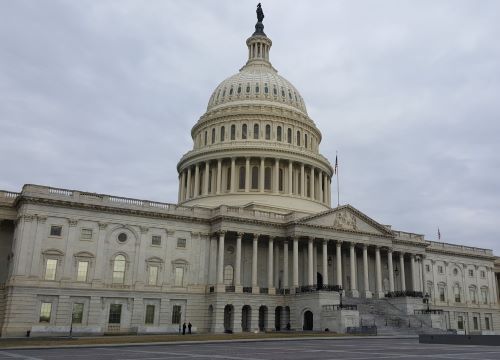
 On January 20, 2026, Representatives Josh Gottheimer of New Jersey and David Valadao of California formally introduced the bipartisan Sikh American Anti-Discrimination Act in the U.S. House of Representatives. The legislation represents a significant effort to address the escalating problem of hate crimes and discrimination targeting the Sikh American community across the United States.
The centerpiece of the legislation is the establishment of a Task Force on Anti-Sikh Discrimination within the U.S. Department of Justice U.S. House of Representatives. This task force would be responsible for creating the first formal federal definition of anti-Sikh hate, a critical step that community advocates say has been missing from the legal framework for far too long. The task force would also develop comprehensive educational programs about anti-Sikh discrimination for K-12 schools, law enforcement agencies, and colleges and universities. Additionally, it would be required to issue annual reports to Congress documenting hate crimes and discrimination against Sikh Americans, and to maintain regular engagement with Sikh communities and advocacy organizations to inform prevention and enforcement strategies.
The legislation comes at a critical moment for the Sikh American community. According to the lawmakers, Sikhs represent the third most-targeted religious group in the United States, experiencing more than 150 reported attacks in the past year alone. New Jersey, which Congressman Gottheimer represents, is home to approximately 100,000 Sikh residents, making it one of the largest Sikh populations in the country. The state has seen firsthand the impact of anti-Sikh hate, making this legislation particularly urgent for communities there.
Congressman Gottheimer emphasized the necessity of federal action after meeting with Sikh families and community leaders in North Jersey. He stated that these conversations made clear the need for Congress to take decisive action by improving how the federal government defines, tracks, and prevents anti-Sikh hate crimes. Congressman Valadao, who serves as co-chair of the American Sikh Congressional Caucus, noted that Sikh Americans have endured heightened discrimination and hate crimes for decades, particularly following the 1984 Sikh Genocide, and emphasized that it is overdue for the Department of Justice to take meaningful action to address this violence.
The legislation has garnered strong support from major Sikh advocacy organizations across the country. The Sikh Coalition, the Sikh American Legal Defense and Education Fund, the New Jersey Sikh Gurdwara Council, and United Sikhs have all endorsed the bill. Community leaders have praised it as a historic step toward addressing what they describe as decades of underreported anti-Sikh hate. Advocates argue that for too long,
the Sikh community has lived under the shadow of prejudice and systemic exclusion because the law lacked a clear framework to define the specific nature of anti-Sikh discrimination.
By establishing a formal federal definition and creating dedicated resources, supporters believe the bill will provide law enforcement and educators with essential tools to identify, track,
and ultimately prevent anti-Sikh hate and discrimination throughout the country.