
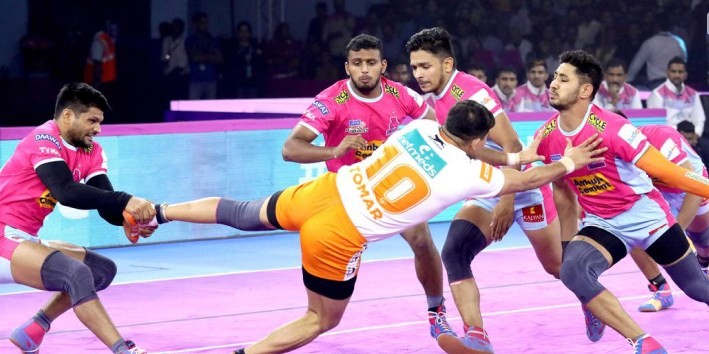
 Kabaddi is one of the oldest contact sports originating from the Indian subcontinent, historically rooted in rural life, physical conditioning, and self-defence. Over generations, it evolved from a village pastime into a formally codified sport governed by national and international federations, now featured in the Asian Games and World Cup competitions. The emergence of professional structures most notably the Pro Kabaddi League has expanded its commercial appeal, audience base, and modern athletic standards. Today, kabaddi is recognised not only as a symbol of South Asian sporting identity but also as a rapidly globalising discipline supported by broadcasters, sponsors, and national associations.
Despite this professional evolution, kabaddi still derives much of its emotional strength from its grassroots culture. It remains particularly influential in Punjab, Haryana, and parts of northern India, where players are celebrated as local heroes and rural communities actively participate in tournaments. The sport’s central attributes strength, speed, breath control, and tactical executionrepresent discipline and collective pride. At its best, kabaddi offers young athletes a path to recognition, international travel, and economic advancement.
However, a disturbing trend has overshadowed this progress. In recent years, Punjab has witnessed a series of violent attacks and murders involving active kabaddi players and promoters. These incidents have been linked to personal rivalries, criminal syndicates, competition over tournament control, and financial disputes. Reports from regional media indicate that multiple players have been killed since the mid-2010s, many in broad daylight and in close proximity to sporting venues or community events. The most shocking cases involved shootings at live tournaments, where athletes were targeted in front of spectators. In some instances, organised crime groups publicly claimed responsibility, using social media to escalate fear and assert influence.
This emerging nexus between sport and criminality poses a direct threat to athlete safety and the integrity of kabaddi as a competitive discipline. It discourages participation at a time when the sport should be attracting young talent. Families who once encouraged children to join local teams now express apprehension, and coaches report declining trust in organisers whose events lack adequate security safeguards. The reputational damage is not limited to the domestic arena; overseas Punjabi kabaddi tournaments have also reported violent disturbances, reflecting a wider cultural spill over rather than isolated local incidents.
The continuation of such internal hostility is unacceptable on sporting, ethical, and social grounds. Kabaddi represents cultural heritage and athletic excellence not a theatre for revenge or street level intimidation. Every murdered athlete represents a personal tragedy, a community failure, and a lost national asset. The sport cannot progress when competitors fear retaliation more than they value victory. Restoring confidence requires firm institutional measures.
A coordinated response is essential. Law enforcement agencies must investigate attacks comprehensively, prosecute offenders, and dismantle criminal interference in sports administration. Tournament organisers should enforce rigorous security protocols and financial transparency. Sporting bodies must regulate event licensing, sponsorship scrutiny, and player protection. Equally important, community leadership including village committees, diaspora organisers, and former athletes must reinforce the principle that rivalry belongs on the playing field, not in criminal confrontation.
Kabaddi has travelled a remarkable journey from agrarian pastime to televised league sport. Allowing internal enmity and criminal violence to destroy that achievement would be an unforgivable abdication of responsibility. Preserving athlete safety, restoring public confidence, and separating criminal interests from sport are no longer optional they are prerequisites for kabaddi’s survival and continued global recognition. The sport’s future depends on collective resolve to end the cycle of violence, honour its heritage, and protect the players who embody its spirit:Author is a executive Director of North American Punjabi Association (NAPA) www.thenapa.com