
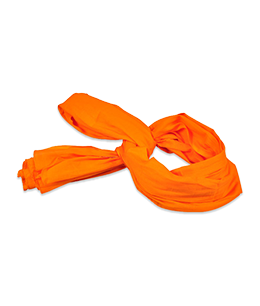
The Siropa, traditionally known as the robe of honour in Sikh tradition, carries a spiritual weight far deeper than the cloth itself. Rooted in the time of the Sikh Gurus, the Siropa was never meant to be a symbol of status, political favour, or public relations. It was a sacred gesture, bestowed by the Guru upon individuals who demonstrated humility, seva, courage, or unwavering commitment to the Panth. Today, however, the misuse of Siropa has become a growing concern, raising questions about how a revered tradition has drifted from its original purpose.
Historically, the Siropa emerged during the era of the Sikh Gurus as a token of divine appreciation. When a Sikh offered seva with pure devotion, the Guru would honour them with a Siropa, often a simple piece of cloth, representing spiritual grace rather than material reward. Guru Gobind Singh Ji, in particular, used Siropas to acknowledge bravery, sacrifice, and righteousness. The recipients were often warriors, scholars, or selfless servants who embodied the highest Sikh virtues. The Siropa was not requested, expected, or distributed casually; it was earned through character and contribution.
Over time, the tradition continued through the Sikh institutions, especially at Sri Harmandir Sahib and other Takhts, where Siropas were presented to individuals who had made meaningful contributions to the community. Even then, the gesture remained solemn and selective. The Siropa symbolized the Guru’s blessing, not human praise. It was a reminder that honour in Sikhism is tied to humility, not ego.
In recent decades, however, the meaning of Siropa has been diluted. What was once a sacred recognition has increasingly become a tool for political optics, celebrity appeasement, and institutional showmanship. Leaders, entertainers, and public figures with little connection to Sikh values are often seen receiving Siropas simply because of their fame or influence. At times, individuals facing public criticism or legal controversies have been honoured with Siropas, raising serious concerns about the credibility of the institutions granting them. The robe of honour, once reserved for the deserving, is now too often handed out as a gesture of convenience.
This shift has not gone unnoticed by the Sikh community. Many question how a tradition rooted in spiritual merit has become entangled with public relations and political agendas. The casual distribution of Siropas undermines the sanctity of the practice and risks turning a sacred symbol into a mere ceremonial prop. When institutions fail to uphold the original principles behind the Siropa, they inadvertently weaken the moral authority that the Gurus entrusted to them.
The misuse of Siropa also creates confusion for younger generations, who may come to believe that honour is tied to status rather than seva. It sends a message that recognition can be bought, arranged, or politically negotiated, rather than earned through sacrifice and humility. This distortion stands in direct contrast to the teachings of the Gurus, who emphasized that true honour comes from living a life of righteousness, compassion, and service.
Restoring the dignity of the Siropa requires a collective commitment from Sikh institutions and the community. The robe of honour must return to its rightful place as a symbol of spiritual merit, not social prestige. Institutions must exercise discernment, transparency, and responsibility when bestowing Siropas, ensuring that the recipients truly reflect the values of the Panth. The community, too, must hold these institutions accountable, reminding them that the Siropa is not theirs to politicize but a sacred tradition inherited from the Gurus.
The Siropa is more than cloth; it is a blessing, a recognition of virtue, and a reminder of the Guru’s grace. Its misuse diminishes not only the honour itself but also the moral fabric of the community. By returning to the original spirit of the tradition, the Sikh Panth can preserve the sanctity of the Siropa and ensure that it remains a symbol of genuine seva, humility, and spiritual excellence.