
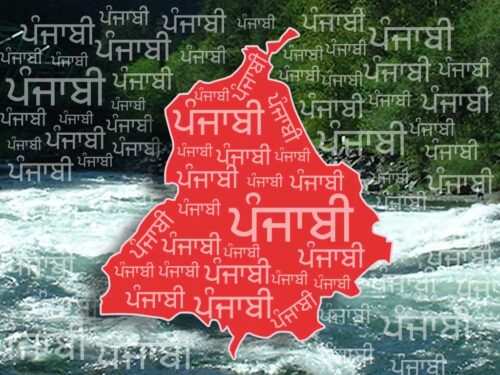
 For Punjabis living in the diaspora, language is the final thread that ties generations to their homeland. It carries memory, identity, and belonging across oceans and time zones. Yet the status of Punjabi in South Asia—particularly in Pakistan raises uncomfortable questions about how a language spoken by millions can remain institutionally invisible.
Pakistan’s Punjab is home to an estimated 127 million people, making it the largest Punjabi-speaking region in the world. A majority of its population speaks Punjabi as a first language, using it daily in homes, marketplaces, and cultural life. Despite this, Punjabi has no official standing in provincial administration, courts, or mainstream education. Urdu and English dominate public institutions, creating a widening gap between the people and the state.
For diaspora families, this disconnect is deeply troubling. Children growing up abroad already struggle to retain their mother tongue amid dominant global languages. When the homeland itself sidelines Punjabi, the task of preservation becomes even more difficult. Culture alone music, festivals, and folklore—cannot sustain a language without formal education and state support.
The contrast with Indian Punjab is striking. Although smaller in population, Indian Punjab has constitutionally recognized Punjabi as an official language. It is taught in schools, used in government offices, and supported through literature and media. This institutional backing has allowed Punjabi to remain not just emotionally significant, but functionally alive.
The diaspora understands that language survival is not automatic; it is political. Policies determine whether a language evolves or slowly retreats into symbolic use. When Punjabi is excluded from education and governance in Pakistan, it sends a message that the mother tongue of the majority is unworthy of formal respect.
Punjabi’s future cannot be left to nostalgia. If Pakistan aspires to democratic inclusion and cultural honesty, it must acknowledge Punjabi in schools, administration, and public life. For Punjabis worldwide, the demand is not sentimental—it is civilizational. A language that shaped one of South Asia’s richest cultures deserves recognition not just in songs and speeches, but in law, policy, and classrooms.
The survival of Punjabi is no longer a regional concern. It is a global responsibility shared by governments and the Punjabi diaspora alike.