
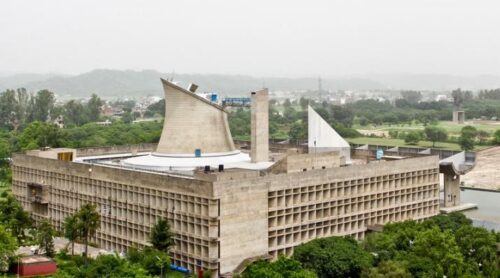
 In any Democratic institution, the position of the Speaker is not merely procedural it is moral, constitutional, and symbolic. The Speaker is expected to rise above party loyalties and act as the guardian of dignity, discipline, and democratic values within the Assembly. However, recent developments in the Punjab Legislative Assembly have raised serious concerns about whether this sacred responsibility is being upheld or compromised.
The Speaker’s chair is often described as the “temple of democracy” within the House. Yet, when proceedings descend into chaos, allegations fly unchecked, and decorum is visibly absent, the silence or selective intervention of the Speaker becomes deeply troubling. Instead of acting as a neutral arbiter, there is a growing perception that the Speaker is either unwilling or unable to control the situation effectively. This not only weakens the institution but also erodes public trust in governance.
Recent remarks and controversies involving leaders such as Pargat Singh, who openly questioned the conduct and functioning of the Assembly, highlight a deeper malaise. When opposition voices raise concerns about disorder or alleged misconduct including serious claims about the condition in which leaders like Bhagwant Mann appeared the Speaker’s role becomes even more critical. It is at such moments that impartiality must not only exist but be visibly demonstrated.
Unfortunately, what has been witnessed instead is a pattern where disruptions are either ignored or inconsistently handled. The lack of firm and fair action sends a dangerous message that rules are flexible and accountability is optional. This selective approach emboldens unruly behavior from both treasury and opposition benches, turning what should be a forum for policy debate into a stage for political theatrics.
The consequences of such irresponsibility are far-reaching. Governance suffers when legislative time is wasted. Critical issues affecting Punjab be it unemployment, agriculture distress, drug menace, or fiscal challenges get sidelined. More importantly, the people begins to lose faith in the very institutions meant to represent them. Democracy, after all, is not just about elections; it is about the functioning of institutions between elections.
The Speaker must remember that history judges not by party loyalty but by institutional integrity. Great Speakers across parliamentary democracies have earned respect precisely because they chose fairness over favoritism. Punjab, with its rich political legacy, deserves no less.
At this crucial juncture, there is an urgent need for introspection. The Speaker must reclaim the authority and neutrality of the chair. Strict enforcement of rules, equal treatment of all members, and a zero-tolerance approach toward disorder are essential steps. Only then can the dignity of the Assembly be restored.
If the chair itself appears unstable, how can the House stand firm? The answer lies not in rhetoric, but in responsible action something the people of Punjab are watching closely and expecting earnestly.