
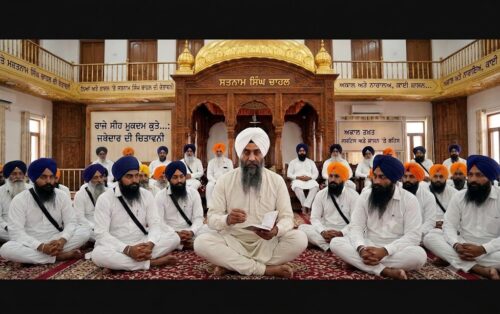
 During a recent meeting at Sri Akal Takht Sahib, the Jathedar recited a powerful and deeply reflective line from Sri Guru Granth Sahib Ji: “Rajae Seer Mukadam Kute…” from Asa Ki Vaar. The recitation immediately drew attention, as this Gurbani verse carries a strong message about the moral responsibility of those in power and the consequences when authority deviates from justice and righteousness.
The Jathedar’s reference to this sacred line served as a reminder of Guru Sahib’s timeless teachings, which highlight how governance loses its legitimacy when it turns away from truth and fairness. The moment resonated with the gathering, as the verse continues to remain highly relevant in today’s social and political context, where questions of accountability, justice, and leadership ethics are frequently raised.
The sacred line “Rajae Seer Mukadam Kute…” from Sri Guru Granth Sahib Ji, found in Asa Ki Vaar, carries a profound message about governance, justice, and moral responsibility. It reflects the Guru’s deep concern about how power, when misused, can turn protectors into oppressors.
The meaning of this verse is that when rulers or those in authority lose their sense of justice and righteousness, they no longer act as protectors of the people. Instead, they begin to behave like predators, causing suffering and injustice to those they are meant to serve.
This teaching is not limited to a historical or ancient context. It serves as a timeless warning applicable to every era. Guru Sahib emphasizes that when authority drifts away from truth, ethics, and accountability, society as a whole suffers, and ordinary people are left vulnerable.
In today’s world, this message is highly relevant. Whether in political systems, administrative institutions, or social structures, the absence of transparency and responsibility often leads to misuse of power. This Gurbani verse reminds us that the true purpose of leadership is service, not control.
Rather than merely criticizing authority, Gurbani also offers a solution—governance rooted in justice, honesty, and moral integrity. It urges leaders to act as true servants of the people and uphold righteousness in all decisions.
Ultimately, this verse continues to serve as a mirror for society, asking important questions about fairness, accountability, and the direction in which our systems are heading.
ਗੁਰਬਾਣੀ ਦੀ ਅਹਮ ਪੰਕਤੀ “ਰਾਜੇ ਸੀਹ ਮੁਕਦਮ ਕੁਤੇ…” – ਅੱਜ ਦੇ ਸਮੇਂ ਵਿੱਚ ਸਾਰਥਕਤਾ
ਗੁਰਬਾਣੀ ਦੀ ਇਹ ਅਮਰ ਪੰਕਤੀ “ਰਾਜੇ ਸੀਹ ਮੁਕਦਮ ਕੁਤੇ…” ਸ੍ਰੀ ਗੁਰੂ ਗ੍ਰੰਥ ਸਾਹਿਬ ਜੀ ਦੀ ਆਸਾ ਕੀ ਵਾਰ ਵਿਚੋਂ ਹੈ। ਇਹ ਸ਼ਬਦ ਗੁਰੂ ਸਾਹਿਬ ਵੱਲੋਂ ਸਮਾਜਿਕ ਅਤੇ ਰਾਜਨੀਤਿਕ ਪ੍ਰਬੰਧ ਬਾਰੇ ਇੱਕ ਡੂੰਘਾ ਸੱਚ ਦਰਸਾਉਂਦੇ ਹਨ। ਇਸ ਪੰਕਤੀ ਦਾ ਭਾਵ ਹੈ ਕਿ ਜਦੋਂ ਰਾਜ ਕਰਨ ਵਾਲੇ ਲੋਕ ਨਿਆਂ ਅਤੇ ਧਰਮ ਦੇ ਰਾਹ ਤੋਂ ਹਟ ਜਾਂਦੇ ਹਨ, ਤਾਂ ਉਹ ਲੋਕਾਂ ਦੇ ਰਖਵਾਲੇ ਨਹੀਂ ਰਹਿੰਦੇ, ਸਗੋਂ ਉਨ੍ਹਾਂ ਉੱਤੇ ਹੀ ਦਬਾਅ ਅਤੇ ਅਨਿਆਂ ਕਰਨ ਵਾਲੇ ਬਣ ਜਾਂਦੇ ਹਨ।
ਇਹ ਪੰਕਤੀ ਸਿਰਫ਼ ਪੁਰਾਣੇ ਸਮੇਂ ਦੀ ਹਾਲਤ ਨਹੀਂ ਦਰਸਾਉਂਦੀ, ਸਗੋਂ ਹਰ ਯੁੱਗ ਲਈ ਇੱਕ ਚੇਤਾਵਨੀ ਹੈ। ਗੁਰੂ ਸਾਹਿਬ ਸਾਨੂੰ ਇਹ ਸਮਝਾਉਂਦੇ ਹਨ ਕਿ ਜਦੋਂ ਸੱਤਾ ਨਿੱਜੀ ਹਿੱਤਾਂ, ਭ੍ਰਿਸ਼ਟਾਚਾਰ ਜਾਂ ਅਨਿਆਂ ਵੱਲ ਮੁੜ ਜਾਂਦੀ ਹੈ, ਤਾਂ ਪੂਰਾ ਸਮਾਜ ਪ੍ਰਭਾਵਿਤ ਹੁੰਦਾ ਹੈ ਅਤੇ ਆਮ ਲੋਕਾਂ ਦੀ ਜ਼ਿੰਦਗੀ ਅਸੁਰੱਖਿਅਤ ਹੋ ਜਾਂਦੀ ਹੈ।
ਅੱਜ ਦੇ ਸਮੇਂ ਵਿੱਚ ਵੀ ਇਹ ਬਾਣੀ ਬਹੁਤ ਸਾਰਥਕ ਹੈ। ਰਾਜਨੀਤਿਕ ਪ੍ਰਣਾਲੀਆਂ, ਪ੍ਰਸ਼ਾਸਨਿਕ ਢਾਂਚੇ ਜਾਂ ਹੋਰ ਸੰਸਥਾਵਾਂ ਵਿੱਚ ਜਦੋਂ ਪਾਰਦਰਸ਼ਤਾ ਅਤੇ ਜ਼ਿੰਮੇਵਾਰੀ ਦੀ ਕਮੀ ਹੁੰਦੀ ਹੈ, ਤਾਂ ਇਹ ਸ਼ਬਦ ਸਾਨੂੰ ਜਾਗਰੂਕ ਕਰਦੇ ਹਨ ਕਿ ਸੱਤਾ ਦਾ ਅਸਲ ਮਕਸਦ ਲੋਕ ਸੇਵਾ ਹੋਣਾ ਚਾਹੀਦਾ ਹੈ, ਨਾ ਕਿ ਲੋਕਾਂ ਉੱਤੇ ਦਬਦਬਾ।
ਗੁਰਬਾਣੀ ਸਿਰਫ਼ ਆਲੋਚਨਾ ਨਹੀਂ ਕਰਦੀ, ਸਗੋਂ ਇੱਕ ਰਾਹ ਵੀ ਦਿਖਾਉਂਦੀ ਹੈ—ਨਿਆਂ, ਸਚਾਈ ਅਤੇ ਇਨਸਾਫ਼ ਦਾ ਰਾਹ। ਇਹ ਪੰਕਤੀ ਸਾਨੂੰ ਇਹ ਯਾਦ ਦਿਵਾਉਂਦੀ ਹੈ ਕਿ ਸ਼ਾਸਕ ਉਹੀ ਸੱਚੇ ਹਨ ਜੋ ਲੋਕਾਂ ਦੀ ਭਲਾਈ ਨੂੰ ਪਹਿਲਾਂ ਰੱਖਦੇ ਹਨ ਅਤੇ ਧਰਮ ਅਨੁਸਾਰ ਕੰਮ ਕਰਦੇ ਹਨ।
ਅੰਤ ਵਿੱਚ, ਇਹ ਗੁਰਬਾਣੀ ਦੀ ਪੰਕਤੀ ਅੱਜ ਵੀ ਸਮਾਜ ਲਈ ਇੱਕ ਆਇਨਾ ਹੈ ਜੋ ਸਾਨੂੰ ਸਵਾਲ ਕਰਦੀ ਹੈ ਕਿ ਕੀ ਸਾਡਾ ਪ੍ਰਬੰਧ ਨਿਆਂਪੂਰਕ ਹੈ ਜਾਂ ਨਹੀਂ, ਅਤੇ ਕੀ ਅਸੀਂ ਆਪਣੇ ਪ੍ਰਣਾਲੀਕ ਢਾਂਚੇ ਨੂੰ ਸਹੀ ਦਿਸ਼ਾ ਵਿੱਚ ਲੈ ਕੇ ਜਾ ਰਹੇ ਹਾਂ।
Disclaimer: This article and accompanying images are for informational and illustrative purposes only. Some visuals may be AI-generated or digitally enhanced and may not depict actual events or persons.Views expressed are based on publicly available information and analysis.