
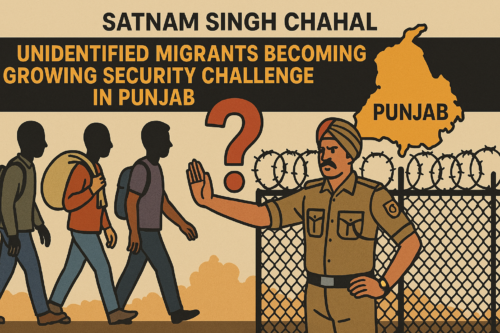
 Punjab, known for its peaceful social fabric and cultural harmony, is increasingly facing challenges due to the influx of unverified and undocumented migrants from other states. While migration for work and livelihood has always been part of Punjab’s economic structure, the lack of proper identification, registration, and monitoring has raised concerns about public safety, law enforcement, and resource management.
ID Gaps and Security Risks
Officials have highlighted that many temporary residents live in rented rooms, industrial colonies, brick kiln settlements, and construction sites without Aadhaar, voter ID, or police verification. This makes it difficult for authorities to track individuals involved in crimes or manage law-and-order situations.
Experts emphasize that migration itself is not the problem; it is the administrative and monitoring gaps that create opportunities for misuse.
Timeline of Key Incidents
2014–2016
Police busted burglary gangs in Ludhiana and Jalandhar; most suspects were undocumented temporary residents.
Highway robberies near Phillaur involved individuals staying in unregistered settlements.
2017–2019
Drug trafficking cases in Ferozepur, Amritsar, and Patiala involved temporary labourers without proper registration.
Theft and snatching incidents revealed suspects without ID, making investigations difficult.
2020–2022
During COVID lockdowns, thousands of unregistered workers were identified across Mohali, Ludhiana, and Moga.
Authorities found temporary clusters and settlements that were unmonitored, raising concerns about safety and municipal services.
2023–2025
Property crimes in Mohali, Zirakpur, Bathinda, and Moga often involved residents without verifiable addresses.
Some offenders fled before police could act due to missing documentation.
2026
Civil society and local authorities have demanded stricter tenant verification, mandatory ID checks, and registration drives to prevent unmonitored settlements from becoming hotspots for crime.
Impact on Local Services and Communities
Unregistered settlements place pressure on:
Sanitation and waste management systems
Healthcare and hospital services
Police monitoring and law enforcement
Municipal resources and public utilities
Local residents report increased anxiety, frustration, and a growing demand for better governance to maintain Punjab’s long-standing peace and stability.
Policy Recommendations
Experts and public safety advocates suggest:
Mandatory police verification for all tenants and workers
ID documentation drives for temporary and incoming residents
Registration of labour and industrial clusters
Digital tracking systems for new entrants
Inter-state coordination to monitor movement of workers
Community awareness campaigns about lawful residence
The central message is clear: Migration should be managed, documented, and monitored to protect both residents and lawful workers.