
 In March 2022, following the Punjab Assembly elections, Bhagwant Mann was sworn in as Chief Minister. Shortly after taking office, his government announced an anti-corruption helpline and spoke about administrative reforms. This early period was seen as an attempt to begin delivering on campaign commitments.
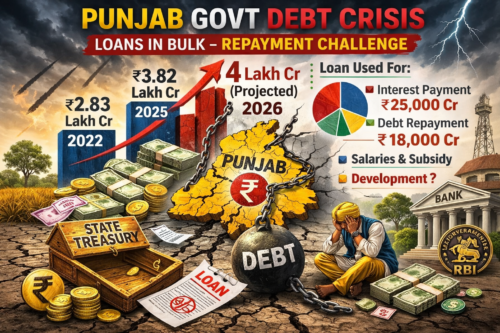
Between April and July 2022, the government announced and initiated the implementation of the 300 units free electricity scheme. While supporters described it as immediate relief for households, opposition parties questioned its financial sustainability and raised concerns about the state’s debt burden.
By the end of 2022, recruitment announcements were made in various government departments, and the government highlighted reforms in healthcare and education. It claimed that employment opportunities were being created and that new health centers were being established. At the same time, debates around law and order began to intensify in political discussions.
During 2023, financial management, rising debt, and law-and-order concerns became central political issues. Opposition parties argued that several election promises had not been fully realised, while the government maintained that reforms were being implemented in phases. There were also reports of policy disagreements between the state and central authorities during this period.
In 2024 and 2025, the government presented progress updates, stating that structural reforms require time and sustained effort. Meanwhile, opposition leaders continued to call for performance reviews and accountability regarding electoral commitments.
Thus, the period from 2022 to 2025 has been marked by promises, policy steps, criticism, and political debate.
In a democratic system, scrutiny is natural, but any claim labeling actions as “total lies” should be assessed carefully using verified data, official records, and balanced analysis.