
Punjab Outlook Investigative Report: The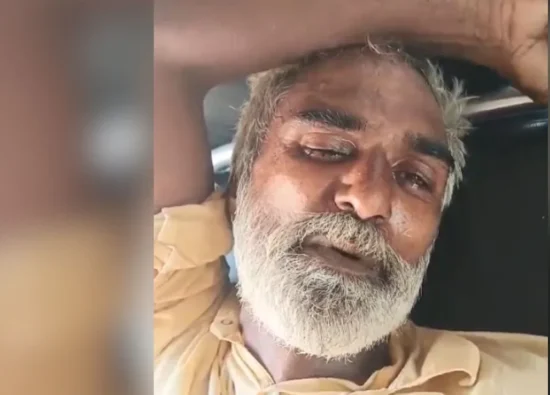 death of Gulzar Singh in Sangrur has raised questions far beyond one family and one village. It has become a troubling test of Punjab’s much-publicised “Yudh Nashe Virudh” and of whether an ordinary citizen can openly question the government about the drug menace without facing pressure or intimidation.
On September 6, Gulzar Singh, a resident of Toor Banjara village in the Dirba Assembly constituency, reportedly raised the issue of the availability of “chitta” during an interaction with Punjab Finance Minister Harpal Singh Cheema. He also spoke about his son’s drug addiction and questioned what the government was doing about the problem. What should have been an ordinary democratic question soon turned into a deeply disturbing episode.
According to reports and accounts attributed to his family and villagers, Gulzar was subsequently pressured to apologise for raising the issue. Allegations have also surfaced regarding intimidation and caste-based humiliation. These allegations are serious and must be established through an impartial investigation rather than through political statements.
The following day, September 7, Gulzar Singh allegedly consumed a poisonous substance. He was taken for medical treatment and reportedly moved through different hospitals before reaching DMC Hospital in Ludhiana. His condition deteriorated, and the tragedy reached its final point with his death on September 8.
A video attributed to Gulzar Singh, in which he reportedly spoke about the confrontation, the pressure to apologise and the drug situation, has added another important dimension to the case. The video and all surrounding circumstances should be subjected to proper forensic and investigative scrutiny.
Following his death, Punjab Police registered an FIR against five people, including the village sarpanch, under provisions relating to abetment of suicide and the Scheduled Castes and Scheduled Tribes (Prevention of Atrocities) Act. A Special Investigation Team has also been constituted to investigate the circumstances surrounding the death.
But one question refuses to disappear: Why is Harpal Singh Cheema not named in the FIR?
This question must be asked carefully. An FIR is not a declaration of guilt, and being named in an FIR does not mean that a person is guilty. At the same time, not being named does not mean that every possible investigative question about that person should automatically disappear.
Cheema was reportedly the minister whom Gulzar publicly questioned immediately before the chain of events that ended in his death. Therefore, the public has a legitimate right to know whether the minister’s role was examined before the FIR was registered. Was Cheema questioned by investigators? Were the people present during the interaction identified and questioned? Was the video formally examined? Was there evidence connecting the minister to the alleged pressure on Gulzar? If there was no such evidence, will the SIT explain that clearly to the public?
These are not questions of political revenge. They are questions of transparency and due process.
The government must also answer whether the alleged demand for an apology actually took place, who made it, why it was made, and whether any government or political functionary was involved. The entire sequence between September 6 and September 8 must be reconstructed through witnesses, phone records, video evidence, medical records and other available evidence.
The constitution of an SIT can restore public confidence only if the investigation is genuinely independent. The investigation must be allowed to follow evidence wherever it leads—whether toward local individuals, political workers, officials or anyone else. If the evidence clears Harpal Cheema, that fact should also be made public. If evidence establishes a connection, the law must apply equally to everyone.
Gulzar Singh’s death also exposes the painful contradiction in Punjab’s “Yudh Nashe Virudh.” The government says it is fighting drugs. But what happens when a father stands up and says that drugs are available in his village and that his own son has been destroyed by addiction?
“The drug destroyed the home,
He raised a question and allegedly faced pressure;
At the door where he sought an answer,
Punjab is now asking for justice.”
Another Punjabi line captures the larger tragedy:
“ਮਰਿਆ ਗੁਲਜ਼ਾਰ ਨਹੀਂ ਇਕੱਲਾ,
ਇਕ ਸਵਾਲ ਮਰਿਆ ਏ;
ਨਸ਼ੇ ਦੇ ਖਿਲਾਫ਼ ਬੋਲਣ ਵਾਲੇ,
ਹਰ ਪੰਜਾਬੀ ਦਾ ਹੌਸਲਾ ਡਰਿਆ ਏ।”
Gulzar’s death should not become another political slogan that disappears after a few days. His death demands answers about drugs, political accountability, local pressure, police action, medical treatment and the circumstances surrounding the FIR.
The most important question is therefore not simply who will be arrested.
The question is whether Punjab has the courage to investigate the entire truth.
“ਲਾਸ਼ਾਂ ਬੋਲਦੀਆਂ ਨਹੀਂ,
ਪਰ ਇਤਿਹਾਸ ਗਵਾਹੀ ਦਿੰਦਾ ਏ;
ਸੱਤਾ ਸਵਾਲ ਦਬਾ ਸਕਦੀ ਏ,
ਸੱਚ ਨੂੰ ਨਹੀਂ।”
Gulzar Singh may never receive the answers he was seeking. But Punjab must.
Because if a citizen raises a question about drugs and dies shortly afterwards, the government cannot expect the public to accept silence as an answer.
The FIR may have been registered. The investigation may have begun. But the biggest question remains unanswered: Why was Harpal Singh Cheema not named in the FIR, and was his role fully investigated before that decision was made?