
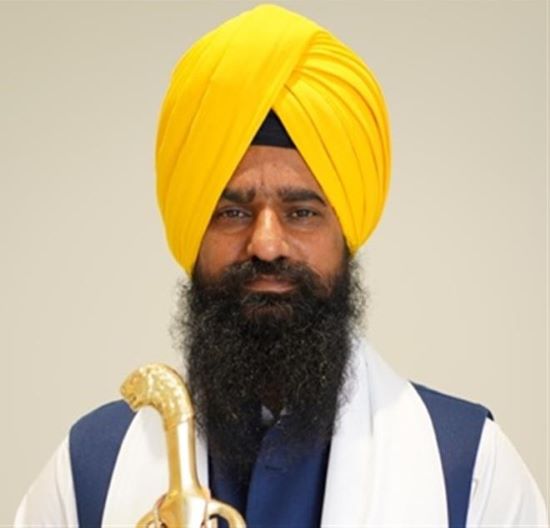
 Amritsar-Summoning of Punjab Assembly Speaker Kultar Singh Sandhwan to appear before Akal Takht Sahib on May 8 has once again placed Punjab at the crossroads of politics, faith, and public sentiment. The development, described as “big breaking” by observers, comes in the wake of mounting controversy surrounding the Sri Guru Granth Sahib sacrilege amendment bill—an issue that has repeatedly shaken the conscience of the Sikh community and the political landscape of the state.
At the heart of the matter lies the deeply sensitive issue of sacrilege against Guru Granth Sahib, the eternal Guru of the Sikh faith. Any legislative move concerning its protection is not merely a political or legal exercise; it carries immense religious, emotional, and historical weight. This is precisely why the statement attributed to Speaker Sandhwan—that the bill was introduced without the consent of the Panth and would not be accepted by the Panth—has triggered intense debate and concern.
The role of Akal Takht Sahib, the highest temporal seat of Sikh authority, is crucial in this context. Traditionally, the Akal Takht intervenes in matters affecting Sikh religious principles, community consensus, and moral conduct. By summoning a sitting Speaker of the Legislative Assembly, it has sent a strong signal that the issue transcends routine governance and touches the very core of Sikh identity and collective decision-making. Such a move is rare and underscores the seriousness with which the matter is being viewed.
The controversy also raises fundamental questions about the relationship between elected institutions and religious authority in Punjab. While the Assembly represents the democratic will of the people, the Sikh Panth operates through a distinct framework of collective religious consensus. When legislation intersects with matters of faith, any perceived bypassing of the Panth’s consent can lead to friction, as appears to be the case here. Critics argue that the government should have engaged in wider consultations with religious bodies, scholars, and community representatives before proceeding with such a sensitive bill.
Politically, the timing and handling of the amendment have provided ammunition to opposition parties, who have often accused successive governments of using sacrilege issues for political mileage while failing to deliver justice in past cases. The memory of earlier sacrilege incidents still lingers in Punjab’s public consciousness, and any fresh controversy risks reopening old wounds. For the ruling establishment, this situation presents a delicate challenge—balancing governance, legal reform, and respect for religious sentiments without appearing either insensitive or politically opportunistic.
Socially, the development has the potential to deepen divisions if not handled with care. The Sikh community, both in Punjab and across the global diaspora, closely monitors such issues. The perception that a law concerning the sanctity of the Guru Granth Sahib lacks Panthic approval could lead to widespread dissent, protests, or calls for reconsideration. At the same time, there are voices advocating for stronger legal measures to prevent sacrilege, highlighting the need for a framework that is both effective and widely accepted.
As May 8 approaches, all eyes will be on the proceedings at the Akal Takht and the response of Speaker Kultar Singh Sandhwan. His appearance is likely to be more than a mere formality—it could shape the direction of the debate and determine whether a consensus can be forged. The outcome may also set a precedent for how future governments handle legislation tied to religious sensitivities.
In essence, this episode reflects a recurring reality in Punjab: governance cannot be divorced from faith, and decisions involving religious matters demand not only legal authority but also moral legitimacy. The path forward lies in dialogue, transparency, and respect for collective sentiment. Without these, even well-intentioned laws risk being rejected by the very people they aim to serve.