
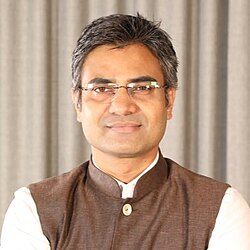
 New Delhi-The question surrounding Sandeep Pathak and the timing of any FIR reflects a larger and recurring concern in Indian politics selective action driven by political convenience rather than consistent legal principles. When leaders are part of one political formation, allegations against them often remain dormant, buried under layers of silence, internal shielding, or lack of “sufficient evidence.” However, the moment political loyalties shift such as moving from Aam Aadmi Party to Bharatiya Janata Party the same allegations can suddenly gain urgency, triggering investigations or FIRs.
This raises a critical issue: if there was credible evidence earlier, why was no action taken at that time? Law enforcement agencies are expected to function independently of political influence, but in practice, their timing often invites suspicion. Delayed action weakens both the case and public trust. It creates a perception that FIRs are being used not purely as instruments of justice, but as tools of political pressure or retaliation.
At the same time, it is also possible that new evidence or complaints have emerged later, which legally justifies fresh action. However, without transparency, such explanations fail to convince the public. The common citizen begins to see a pattern—where accountability depends less on wrongdoing and more on political alignment.
Ultimately, the real “fun,” as you put it, is not in justice but in political optics. And that is precisely the problem. Justice delayed for political reasons is not justice at all it is strategy. For a democracy to function credibly, the law must act consistently, regardless of whether a person is in power, in opposition, or switching sides.