
 By Satnam Singh Chahal |Agricultural Policy Analysis-In the United States, rice stubble burning is regulated through state laws, local air-quality regulations and fire-safety requirements. Farmers in some rice-producing regions are permitted to burn crop residue under specific conditions, but there is no single nationwide rule allowing farmers to burn rice stubble freely. The procedures depend on the state, the local air-quality district, weather conditions and the applicable environmental regulations.
Before burning rice stubble, farmers may be required to obtain an agricultural burning permit from the relevant authority. Depending on the jurisdiction, they may also need approval for the particular day on which they intend to burn. Authorities can consider the location and size of the field, the type of crop residue, prevailing weather, wind direction and the potential impact of smoke on nearby communities. Even when a permit has been issued, burning may be prohibited on a particular day if atmospheric conditions are unsuitable or local restrictions are in force.
California provides a useful example because the Sacramento Valley is an important rice-producing region. Rice straw burning was historically practised there, but concerns about air pollution and public health led to measures designed to reduce the amount of agricultural residue burned. California enacted the Rice Straw Burning Reduction Act in 1991 to reduce rice-straw burning. Today, agricultural burning is subject to applicable air-quality rules, local district requirements and restrictions governing when and how burning may take place.
In areas where burning is permitted, farmers must follow the conditions established by the relevant authorities. These can include restrictions on the acreage burned, field preparation requirements, approved burning periods and fire-control precautions. Local agencies may monitor atmospheric conditions and issue daily authorisations or prohibit burning when smoke could create unacceptable air-quality problems. Violations can result in enforcement action under the applicable state or local regulations. The precise requirements vary between jurisdictions, so California’s rules should not be assumed to apply throughout the United States.
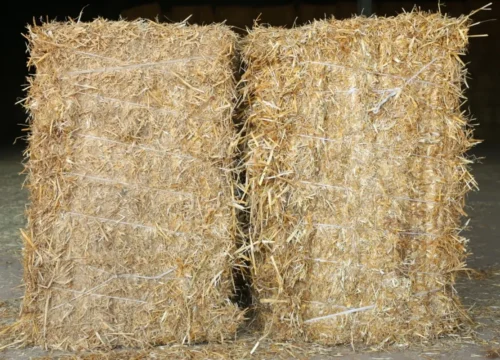
American rice farmers also have alternatives to burning their crop residue. Depending on local agricultural conditions, rice straw can be collected and baled for other uses, incorporated into the soil, composted or managed through other approved residue-management practices. The choice depends on the availability of machinery, soil conditions, labour costs, transport facilities and demand for rice straw. These alternatives can help reduce open-field burning, although each method has its own financial and environmental considerations.
The American experience offers important lessons for Punjab, where stubble burning has become a major environmental and agricultural concern. Effective policy requires more than imposing restrictions on farmers. Governments must also ensure access to affordable residue-management machinery, reliable collection and transportation systems, markets for rice straw and practical financial incentives. Transparent enforcement, air-quality monitoring and timely communication about permitted burning conditions can also contribute to better agricultural management.
However, the American system cannot simply be transferred to Punjab without considering differences in farm sizes, cropping patterns, machinery access, economic circumstances and government support. Punjab needs a strategy suited to its own agricultural conditions, combining effective regulation with affordable alternatives that farmers can realistically use.
The central lesson is that the United States does not have a blanket national policy permitting unrestricted rice-stubble burning. In certain regions, burning is allowed only under specified regulatory conditions. For Punjab, the useful elements to study are the permit system, weather-based restrictions, environmental monitoring, enforcement and investment in alternative uses of crop residue. The ultimate objective should be to protect public health and the environment while ensuring that farmers are not left to bear the entire financial burden of managing agricultural waste.
Official references: California Air Resources Board, Agricultural and Prescribed Burning; Butte County Air Quality Management District, Burning FAQs.