
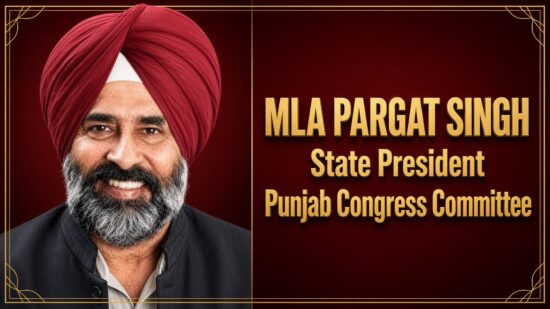
Pargat Singh has spent much of his life understanding one fundamental rule of hockey: a team wins only when eleven players play as one. That may now be the biggest lesson he can bring to Punjab Congress.As captain of the Indian hockey team, Pargat was technically a full-back, but he was never known merely for standing in defence. He could defend his goal, read the opposition, carry the ball forward and, when the situation demanded, turn defence into attack. Now, as president of Punjab Congress, he faces remarkably similar responsibilities.
His first task is that of a full-back: protect the party from self-inflicted goals. Punjab Congress has witnessed prolonged factional disagreements, and maintaining organisational cohesion will be one of the new president’s immediate challenges.
But defending alone cannot win a match. At some stage, Pargat will have to move up the field and think like a centre-forward—take political initiative, create openings, set the agenda and convert opportunities into goals.
And occasionally he may have to play exactly as hockey followers remember him: aggressively moving out of defence and taking the attack to the opposition. Leadership will require knowing when to hold the line and when to charge forward.
There is, however, another lesson from hockey. A captain cannot keep the ball to himself. He has to pass it—to the right player, at the right moment.
Punjab Congress has experienced players, ambitious forwards, strong defenders and more than a few individuals who may want to captain the side themselves.
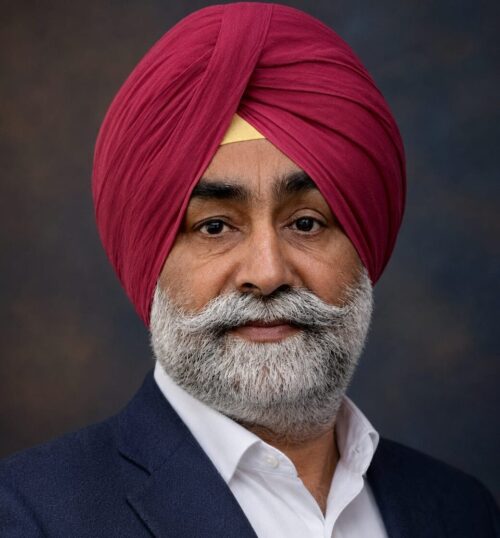
Pargat Singh’s real test will therefore not be how well he plays. It will be whether he can make Punjab Congress play like a team.
Because elections, like hockey matches, are rarely won by eleven individuals chasing the same ball. Punjab Congress will not return to contention through isolated brilliance or competing ambitions. It will do so only when its leaders accept one captain, one strategy and one common objective—and when every worker understands that the party’s victory is larger than any individual’s claim to the spotlight.
If Pargat Singh can turn rivalry into discipline, experience into collective strength and defence into a confident political attack, Punjab Congress can enter the electoral contest as a united force rather than a divided camp. The whistle will not wait for the party to settle its differences. Punjab’s voters will judge whether Congress has learned to move together—and that may decide whether it merely contests the next election or has a genuine chance of winning it.