
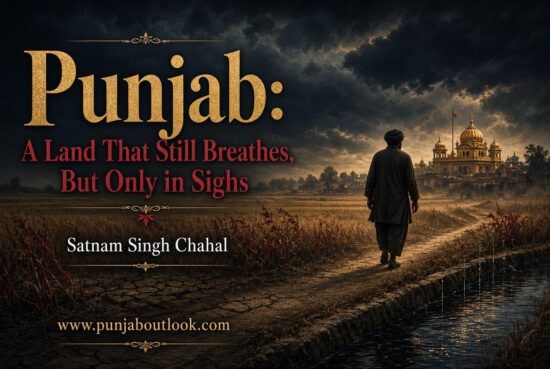
 Punjab was once described as a land of five rivers, fertile fields, open hearts and fearless people. Today, the rivers still flow, the fields still stand, and the slogans still echo—but something inside Punjab is quietly dying.
ਕਈ ਦਰਦਾਂ ਨੇ ਘੇਰਿਆ ਪੰਜਾਬ ਨੂੰ ਮੇਰੇ,
ਕਿ ਸਾਹ ਵੀ ਹੁਣ ਇੱਥੇ ਸਿਸਕੀਆਂ ਭਰਦੇ ਨੇ।
My Punjab is surrounded by so many pains that even its breaths now come out as sighs. This is not merely poetry anymore. It increasingly feels like a description of Punjab’s everyday reality. The irony is almost cruel. Every election brings promises of badlav change. Every government arrives with a new slogan. Every leader promises development, prosperity, jobs, security and a brighter future. And after every election, Punjab is handed another press conference, another committee, another announcement and another foundation stone. The foundation stones are multiplying.
The completed projects, however, seem to be hiding.Punjab has become a strange place where governments proudly announce jobs while young people proudly announce their departure. Ministers talk about employment while families talk about IELTS, study permits, work permits and flight tickets. The biggest career counselling centre in many Punjabi households is now the passport office.Our villages tell the story more honestly than government advertisements do.
There are houses with expensive gates but locked doors. There are beautifully renovated homes whose owners live thousands of kilometres away. There are streets where grandparents wait for video calls from grandchildren they may see once every few years.Punjab built palaces for children who were forced to build lives elsewhere.And then we ask, with great seriousness, why the youth are leaving.
ਜੁਆਨੀ ਰੁਲ਼ ਗਈ ਹੈ ਪਰਦੇਸਾਂ ਦੀ ਭੁੱਖ ਵਿੱਚ,
ਉਜੜ ਗਏ ਨੇ ਪਿੰਡ ਤੇ ਉੱਜੜੀਆਂ ਛਾਵਾਂ ਨੇ।
The youth have been scattered by the hunger for a life abroad; villages have emptied, and even their shadows seem deserted.The tragedy is not simply migration. Migration can be an opportunity. The tragedy is when leaving becomes the only opportunity people can see.Meanwhile, Punjab’s agriculture—once its pride—is carrying its own burden of debt, uncertainty, environmental stress and shrinking returns. The farmer feeds millions, yet too many farming families remain trapped in anxiety about tomorrow.
ਹਵਾਵਾਂ ਵਿੱਚ ਜ਼ਹਿਰ ਤੇ ਫ਼ਸਲਾਂ ਉਦਾਸ ਨੇ,
ਲਹੂ ਨਾਲ ਰੰਗੀਆਂ ਅੱਜ ਘਰਾਂ ਦੀਆਂ ਰਾਹਾਂ ਨੇ।
There is poison in the winds and the crops are sad; today, the roads leading home seem stained with blood.The air is polluted. Groundwater is under pressure. Drugs continue to haunt families. Crime generates fear. Political rivalry generates bitterness. Protests generate confrontation. And too often, the first instinct of the administration appears to be how to control the protest rather than understand the pain behind it.A citizen raises a voice.The government raises a barricade.The citizen sits on a dharna.The government sends police.
The citizen asks questions.The government holds a press conference.And somewhere between the microphone and the barricade, the actual problem disappears.This is Punjab’s newest political magic trick: turn a public grievance into a law-and-order problem.Ask for justice and you may be called disruptive.Demand jobs and you may be called political.Question expenditure and you may be called anti-government.Protest peacefully and somehow the conversation becomes about traffic.Punjab does not need more ways to silence questions. It needs more courage to answer them.
There is another painful joke being played on the people.Governments say they are fighting corruption. Opposition leaders say corruption is increasing. Officers are arrested. Committees are formed. Investigations are announced. Speeches become louder.And the ordinary citizen still asks the same old question:“Will I get my work done without influence?”That question is more important than ten anti-corruption speeches.
Punjab’s politics has also developed a remarkable talent for changing the subject. When unemployment becomes uncomfortable, talk about investment. When crime becomes uncomfortable, talk about achievements. When debt becomes uncomfortable, talk about development. When protests become uncomfortable, talk about conspiracy.
And when everything becomes uncomfortable announce another scheme.The people, however, are not fools.They can see the empty factories.They can see the abandoned villages.They can see the young people leaving.They can see the drug addiction destroying families.They can see the polluted water.They can see the broken trust.They can see the political theatre.Most importantly, they can see the distance between the speech and the street.Punjab once sent its sons and daughters across the world with confidence.Today, too many parents send them with tears.Punjab once dreamed of bringing prosperity home.
Today, too many families dream only of getting their children safely out.And that may be the most painful indictment of all.A government can claim economic growth. A politician can claim popularity. A department can claim achievements. A party can claim victory.But if a young Punjabi looks at his or her homeland and says, “There is no future for me here,” then something has gone terribly wrong.Punjab does not need sympathy.Punjab needs honesty.
It needs jobs that do not exist only in advertisements. It needs policing that protects citizens rather than merely managing dissent. It needs agriculture that gives farmers dignity, not perpetual uncertainty. It needs institutions that answer questions instead of avoiding them. It needs leaders who understand that public money is not party money, government office is not personal property, and criticism is not treason.
Most of all, Punjab needs its dignity back.Because Punjab is not merely a piece of land between rivers.Punjab is memory.Punjab is sacrifice.Punjab is the farmer standing in the field before sunrise.
Punjab is the mother waiting for a phone call from abroad.Punjab is the elderly father sitting alone in a large house built for children who never came back.Punjab is the unemployed graduate carrying a degree in one hand and a passport application in the other.Punjab is the protester sitting behind a barricade asking to be heard.Punjab is the policeman standing on the other side, perhaps carrying his own unanswered grievances.Punjab is all of them.
And perhaps the saddest irony is this:
The land that once gave the world food is now struggling to give its own children a reason to stay.So let the political speeches continue.Let the slogans continue.Let the inaugurations continue.Let the photographs continue.But somewhere beyond the cameras, Punjab is whispering:
ਕਈ ਦਰਦਾਂ ਨੇ ਘੇਰਿਆ ਪੰਜਾਬ ਨੂੰ ਮੇਰੇ,
ਕਿ ਸਾਹ ਵੀ ਹੁਣ ਇੱਥੇ ਸਿਸਕੀਆਂ ਭਰਦੇ ਨੇ।
My Punjab is surrounded by so many pains, that even its breaths now breathe in sighs.The question is no longer whether Punjab is suffering.The question is: how long will Punjab suffer while those in power keep telling us everything is fine?