
 MELBOURNE, Australia(Punjab Outlook News Report): Political activity is intensifying in both Australia and Punjab, with the upcoming Victorian state election bringing renewed attention to community engagement, multicultural representation and the growing influence of different political forces.
In Victoria, the Labor government is seeking to retain power, while the Liberal–National Coalition is aiming to return to government after more than a decade in opposition. The growing presence of right-wing political movements, including Pauline Hanson’s One Nation, is adding another dimension to the political debate and raising questions about immigration, multiculturalism and the future direction of Australian politics.
Amid this changing political landscape, the Sikh community has also marked a significant cultural milestone. For the first time, a Sikh performance was presented at the Premier’s Diwali Gala Dinner, providing an opportunity to showcase Sikh heritage, traditions and cultural contributions at one of Victoria’s major multicultural celebrations. The occasion also reflected the importance of recognising the diverse communities that contribute to Australia’s social and cultural life.
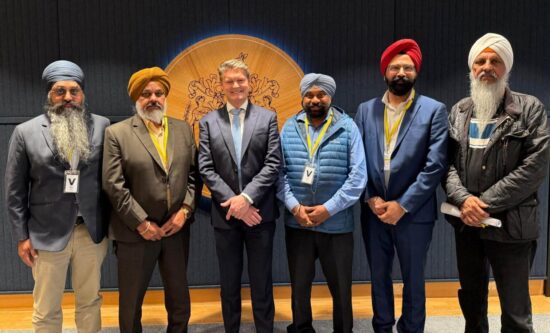
Meanwhile, Sikh community leaders have been holding meetings with representatives from both the government and opposition. Such engagement reflects a practical approach to community leadership: maintaining communication with all political parties, raising issues affecting Sikh Australians and ensuring that community concerns remain part of the political conversation, irrespective of which party forms the next government.
The approach is particularly relevant during an election campaign, when political parties are seeking public support and community organisations have an opportunity to raise concerns about religious freedom, discrimination, immigration, youth opportunities, multicultural inclusion and the recognition of Sikh identity. Constructive dialogue can help community representatives communicate their priorities directly to decision-makers and seek meaningful responses.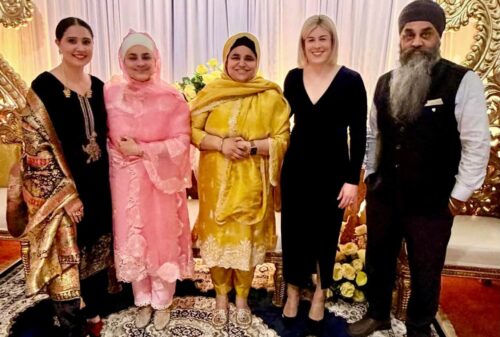
The political situation also carries a humorous dimension. While Sikh leaders are engaging with different political groups, some supporters of particular parties may not be comfortable seeing their preferred political figures sitting across the table from Sikh representatives. However, as the light-hearted commentary suggests, community engagement should not be confused with political endorsement. Meeting a political leader does not necessarily mean supporting that leader or the party they represent.
The broader message is that community interests must remain above narrow party loyalties. Sikh Australians are voters, taxpayers, professionals, business owners and active participants in the country’s democratic institutions. Their representatives have every reason to communicate with Labor, the Liberal–National Coalition, One Nation and other political groups where appropriate, while remaining clear about the community’s values and concerns.
As Victoria approaches its state election, political parties will have to demonstrate how their policies address the aspirations and concerns of multicultural communities. Symbolic participation in cultural events is important, but lasting confidence depends on meaningful engagement, respect for religious diversity and practical action on issues affecting people’s everyday lives.
For Sikh community leadership, the challenge is to maintain an independent voice, build relationships across political divisions and hold elected representatives accountable for their commitments. The objective should not be to secure favour from one party but to ensure that Sikh Australians are heard by every party seeking their support.
The message is clear: community engagement is not party loyalty. Sikh Australians can respect democratic differences, speak to political leaders across the spectrum and insist that their concerns receive serious consideration—regardless of who wins the election.
Punjab Outlook | Independent Analysis. Public Interest. Punjabi Perspective.
Disclaimer: This article is based on the supplied commentary. Election-related statements and descriptions of political engagement should be checked against official sources before publication.