
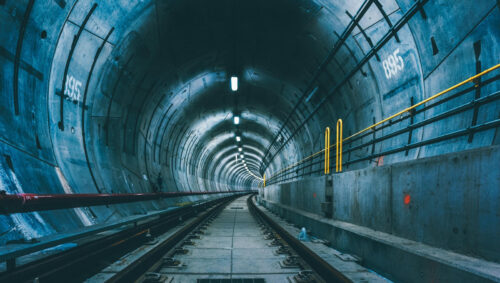
Across the United States, beneath bustling streets, quiet mountains, and vast plains, lies an extraordinary hidden world—subterranean cities and complexes that most people will never see. These underground spaces are not merely myths or conspiracy theories; they are real, functional environments built for survival, innovation, and adaptation. From Cold War bunkers designed to withstand nuclear war to massive underground business hubs and forgotten urban layers, these hidden places reveal a fascinating dimension of American history and engineering.
The concept of underground cities is not new. Civilisations throughout history from ancient Cappadocia to medieval Europe, have turned to subterranean living for protection and climate control. In the United States, however, the development of underground complexes took on new urgency during the Cold War era, when fears of nuclear conflict pushed the government to construct fortified shelters capable of sustaining life after catastrophe.
One of the most secretive examples is the Raven Rock Mountain Complex, often referred to as the “underground Pentagon.” Built in the 1950s during heightened tensions between the United States and the Soviet Union, this facility lies deep beneath a mountain near Blue Ridge Summit, Pennsylvania. Designed to ensure continuity of government in the event of a nuclear attack, Raven Rock is a self-contained underground city. With multiple buildings, dozens of floors, and massive blast doors weighing tens of tons, it includes everything from living quarters and medical facilities to cafeterias and power systems. Its secrecy and scale have made it one of the most intriguing and mysterious government installations in the country.
While Raven Rock represents military necessity, other underground spaces were born out of economic ingenuity. Beneath Kansas City, Missouri, lies SubTropolis, the largest underground business complex in the world. Carved from a limestone mine, this vast space stretches across millions of square feet and houses offices, warehouses, and industrial operations. Developed by businessman Lamar Hunt in the 1960s, SubTropolis takes advantage of natural insulation to maintain a constant temperature year-round. This makes it ideal for storage especially for sensitive materials like film archives as well as for businesses seeking energy efficiency. Today, thousands of people work underground here, making it a thriving, if largely invisible, economic hub.
In contrast to these purpose-built facilities, some underground environments emerged accidentally as cities evolved. A notable example is Underground Atlanta. Originally constructed in the 19th century as a commercial district, parts of Atlanta were effectively buried when street levels were raised to accommodate new infrastructure. What remained below became a hidden layer of the city. During the Prohibition era, this underground space transformed into a haven for speakeasies and nightlife. Decades later, it was rediscovered and revitalized as a cultural and entertainment district, offering a glimpse into the city’s layered past.
Perhaps the most complex subterranean landscape exists beneath New York City. Beyond the well-known subway system lies a labyrinth of forgotten and repurposed spaces. Hidden subway stations like the old City Hall station, abandoned tunnels, secret vaults, and even historic mail tube systems paint a picture of a city constantly reinventing itself. Beneath neighborhoods like SoHo and the Meatpacking District are remnants of earlier industries, including tunnels once used for transporting goods and livestock. These underground networks, some stretching hundreds of feet below the surface, reflect the city’s dynamic growth over more than a century.
Further north, in the extreme conditions of Alaska, underground construction serves a scientific purpose. The Permafrost Tunnel Research Facility offers researchers a unique opportunity to study ancient frozen ground, known as permafrost. This tunnel preserves soil that has remained frozen for tens of thousands of years, providing invaluable insights into climate change, geology, and environmental science. Unlike other subterranean spaces built for secrecy or commerce, this facility represents humanity’s quest to understand the natural world beneath our feet.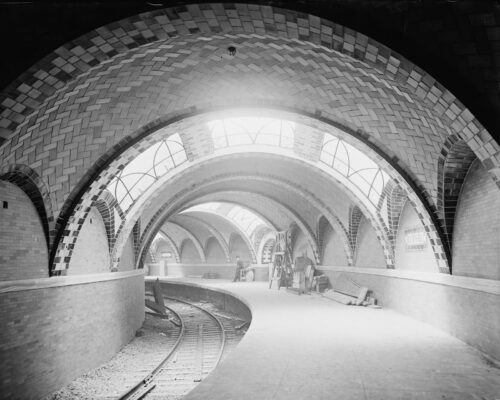
What unites all these underground cities is their ability to solve problems whether those problems are war, weather, space constraints, or scientific curiosity. They demonstrate human resilience and creativity, showing how we adapt to challenges by literally going beneath the surface. At the same time, they evoke a sense of mystery. Many of these places remain inaccessible to the public, fueling speculation and fascination about what else might lie hidden underground.
In an age where urban space is increasingly limited and environmental concerns are growing, underground development may become even more relevant. Cities around the world are already exploring subterranean expansion as a way to reduce surface congestion and improve energy efficiency. The hidden cities of America, once built out of necessity or convenience, may well serve as a blueprint for the future.
Ultimately, these underground worlds remind us that the story of a city is not confined to what we see above ground. Beneath our feet lies another realm quiet, concealed, and often forgotten yet just as vital and remarkable as the one we inhabit every day.
Share via: