
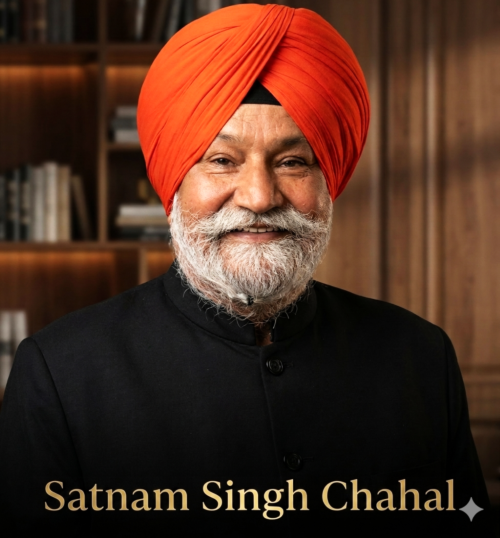
The reported ban and opposition surrounding the Punjabi film Chardikala have reignited concerns about artistic freedom, historical storytelling, and the right of audiences to engage with diverse perspectives. Regardless of one’s opinion of the film’s subject matter, banning a movie is rarely the answer in a democratic society.
Cinema has long served as a medium for exploring history, culture, and collective memory. Films often address sensitive and controversial subjects, encouraging discussion and debate. When authorities or pressure groups seek to suppress a film before the public has an opportunity to view and evaluate it, they undermine the principles of free expression and open dialogue.
Supporters of Chardikala argue that the film presents historical events and personalities that continue to hold significance for many people, particularly within the Sikh community. Whether viewers ultimately agree or disagree with the film’s portrayal should be a matter of personal judgment rather than censorship. Mature societies confront difficult histories through discussion, scholarship, and artistic expression—not through bans.
At the same time, those who disagree with the film have every right to voice criticism, organize peaceful protests, and present alternative viewpoints. Freedom of expression protects both filmmakers and critics. However, criticism should not translate into preventing others from watching a film and forming their own opinions.
Recent reports indicate that Chardikala has become the subject of controversy, with objections coming from different quarters over its depiction of Sikh historical figures and martyrs. Some groups have cited religious directives against dramatic portrayals of certain personalities, while supporters maintain that the film is an important effort to preserve and communicate history to younger generations.
History shows that bans on films often fail to resolve controversies. Instead, they deepen divisions, generate greater public curiosity, and raise questions about fairness and consistency in the application of censorship. Democratic institutions should trust citizens to evaluate artistic works for themselves.
The appropriate response to a controversial film is not prohibition but conversation. If Chardikala contains viewpoints that some find objectionable, those viewpoints should be challenged through debate, reviews, public discussion, and competing narratives—not by denying audiences access altogether.
A confident and democratic society does not fear art. It engages with it, questions it, and learns from it. The ban on Chardikala should therefore be reconsidered, and the public should be allowed to decide the film’s value for themselves.