
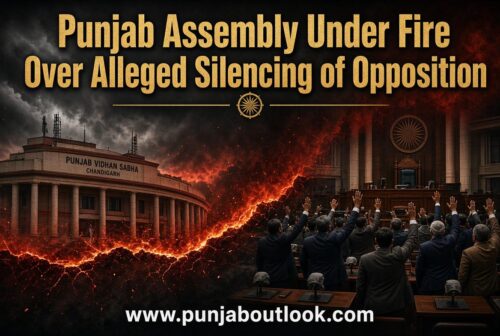
 Chandigarh-Questions over the functioning of the Punjab Vidhan Sabha have intensified after opposition members alleged that they were repeatedly prevented from completing their arguments while discussing important Bills concerning the state.
The Opposition has accused the Assembly leadership of switching off microphones and denying elected representatives adequate opportunity to speak during legislative proceedings. The criticism has raised broader questions about the quality of democratic debate inside the House and whether legislators are being given sufficient time to place their views on record.
The issue is particularly significant when the Assembly is considering legislation that can have a direct impact on the people of Punjab. Bills passed by the House affect the lives, rights and finances of millions of citizens, making meaningful debate and scrutiny an essential part of the legislative process.
Critics argue that an Assembly is not merely a place to pass government business. It is also the forum where the Opposition questions the government, identifies weaknesses in proposed legislation and represents concerns raised by constituents. When microphones are switched off or speeches are cut short, they say, the people who elected those MLAs are effectively being denied their voice.
The controversy also comes amid continuing criticism of the conduct of Punjab Assembly proceedings, particularly allegations that Bills are sometimes introduced or taken up without giving legislators adequate time to examine their provisions. Opposition parties have previously questioned the pace at which legislation is pushed through the House.
The government and Assembly leadership, however, may argue that the Speaker has the authority to regulate proceedings, maintain order and ensure that legislative business is completed within the allotted time. The key question is whether such powers are being exercised impartially and consistently toward both the Treasury benches and the Opposition.
The larger democratic principle is straightforward: let the people of Punjab decide for themselves. If an elected representative has a legitimate argument about a Bill affecting Punjab, that argument should be heard, debated and placed on record rather than being silenced through procedural interruptions.
A strong Legislative Assembly should not fear disagreement. In fact, disagreement is the essence of parliamentary democracy. The government has the numbers to pass legislation when it has majority support, but that does not mean the Opposition’s questions should disappear from the proceedings.
The Punjab Vidhan Sabha belongs to the people of Punjab—not to any political party. Whether it is the government or the Opposition, every MLA enters the House carrying the mandate of voters. Silencing an elected representative is therefore not simply a dispute between politicians; it raises the question of whether the electorate itself is being heard.
The Speaker’s chair carries a special responsibility to protect the dignity of the House and ensure that legislative debate remains fair, orderly and democratic. The people of Punjab deserve to know what their representatives think about laws being passed in their name—and they deserve the opportunity to judge those representatives at election time.
If people’s elected representatives are not allowed to speak, what exactly is the purpose of a Legislative Assembly