
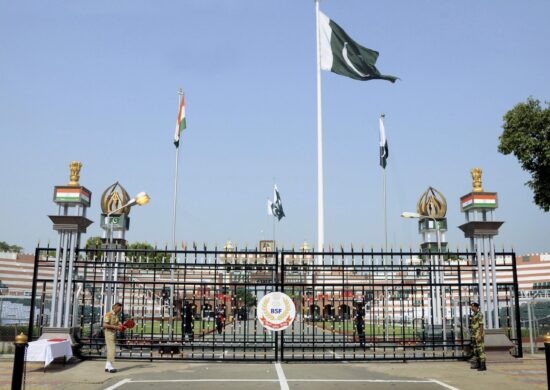
 The Attari–Wagah border, situated between Amritsar in India and Lahore in Pakistan, is one of the most significant and symbolic crossing points in South Asia. It represents not only a physical boundary but also a shared history, culture, and emotional connection between the people of the two nations. Since the Partition of 1947, this border has witnessed both hostility and moments of cooperation. Reopening and strengthening operations at this crossing point carries immense importance for economic growth, regional stability, and human connection.
One of the most important benefits of reopening the Attari–Wagah border lies in its economic potential. As the only operational land trade route between India and Pakistan, it has the capacity to boost bilateral trade significantly. Transporting goods by land is far more cost-effective and time-efficient than sea routes, allowing traders and businesses to reduce expenses and speed up delivery times. Increased trade activity would also transform border cities like Amritsar and Lahore into thriving commercial hubs, encouraging investment and business expansion. Additionally, this route plays a key role in trade with Afghanistan and Central Asia, making it strategically valuable beyond just India-Pakistan relations.
Reopening the border would also generate employment and accelerate local development. Increased trade and movement would create jobs in transportation, warehousing, customs services, and logistics. Local industries, small businesses, and service sectors such as hotels, restaurants, and retail shops would see a rise in demand. Infrastructure around the border, including roads and storage facilities, would further develop, strengthening the regional economy and improving livelihoods for thousands of people.
Another major advantage is the promotion of tourism and cultural exchange. The Wagah border ceremony already attracts large numbers of visitors every day, symbolizing both rivalry and unity. Reopening the border would enhance tourism opportunities, allowing people from both countries to visit each other more easily. Families separated during Partition would get a chance to reconnect, and religious tourism especially for Sikh pilgrims visiting historic gurdwaras in Pakistan—would increase significantly. Such interactions help build mutual understanding and reduce long-standing mistrust.
From a diplomatic perspective, reopening the Attari–Wagah border would signal a positive shift in India Pakistan relations. Trade and people-to-people contact often act as confidence building measures, reducing tensions and fostering cooperation. A functional and active border creates interdependence, which can discourage conflict and encourage peaceful dialogue. It serves as a reminder that economic and human interests can often outweigh political differences.
Furthermore, the strategic importance of this border cannot be overlooked. Located along the historic Grand Trunk Road, it has the potential to connect South Asia with Central Asia and beyond. Reopening it fully could strengthen regional connectivity and improve supply chains across multiple countries, turning it into a key gateway for international trade and transit.
However, reopening the border also requires careful consideration of security concerns and political sensitivities. Past incidents have shown that tensions can quickly disrupt operations. Therefore, strong security measures, trust-building efforts, and consistent diplomatic engagement are essential to ensure long-term success.
In conclusion, the reopening of the Attari Wagah border offers a powerful opportunity to transform a line of division into a bridge of cooperation. By boosting trade, creating jobs, promoting cultural exchange, and The contrast between restricted land routes and active indirect sea-based trade raises serious questions about policy priorities. Allowing direct trade through Wagah would not only be economically beneficial but also a practical step toward regional stability and growth.