
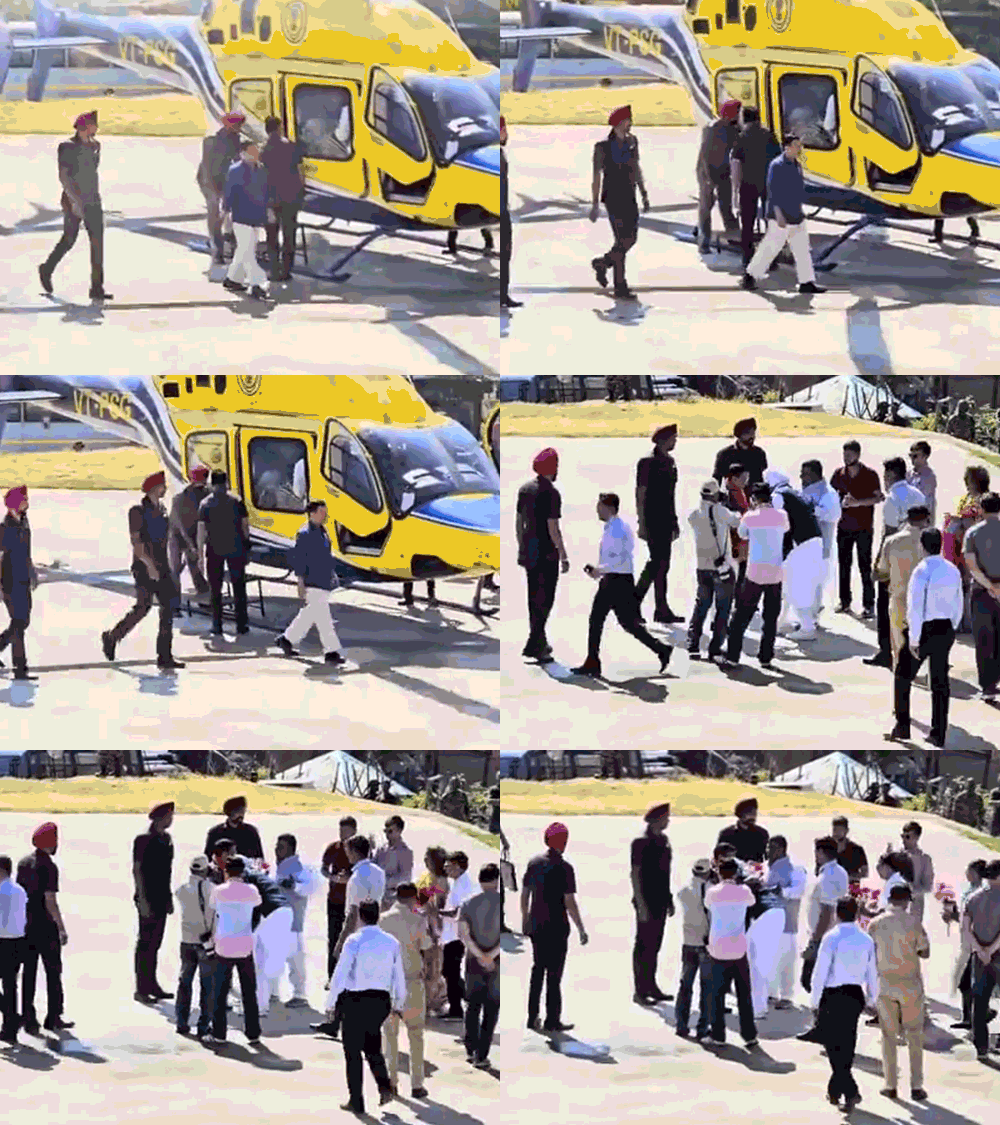
 Punjab has seen many political revolutions, but one revolution stubbornly refuses to arrive — the revolution against VIP culture. Politicians may have changed, slogans may have changed and parties may have changed, but the white towel on the chair, security personnel holding or arranging chairs and other displays of privilege remain very much alive.
The common man gets a plastic chair — sometimes not even that. The political leader gets a chair covered with a spotless white towel, with security personnel standing nearby and, on some occasions, even someone apparently assigned to make sure the leader does not have to perform the difficult democratic exercise of pulling out his own chair.
“ਆਮ ਆਦਮੀ ਪਾਰਟੀ ਹੈ ਜੀ… ਪਰ ਕੁਰਸੀ ਆਮ ਨਹੀਂ ਹੋਣੀ ਚਾਹੀਦੀ!”
The irony is difficult to miss. A party that built its political identity around the “Aam Aadmi” should surely be the first to question these old symbols of VIP privilege. Yet in practice, the VIP culture often seems to arrive right alongside political power.
And then there is the famous white towel. Why must every important politician’s chair look as though it has been specially prepared for a royal guest? Is the towel a new symbol of constitutional authority? Does it come with a government notification?
Perhaps the towel itself has become so powerful that it whispers to the chair: “ਸੰਭਲ ਕੇ ਬੈਠੀਂ, ਵੱਡੇ ਸਾਹਿਬ ਆ ਰਹੇ ਨੇ!”
The spectacle becomes even more amusing when security personnel are seen holding or positioning a chair for a political leader. One cannot help but wonder: “ਨੇਤਾ ਜੀ ਆਪ ਕੁਰਸੀ ਨਹੀਂ ਖਿੱਚ ਸਕਦੇ?” If they can handle the responsibilities of running a government, surely pulling out a chair should not be considered a security-sensitive operation.
Maybe the next election manifesto should include another revolutionary promise: “ਹਰ ਮੰਤਰੀ ਲਈ ਇੱਕ ਕੁਰਸੀ ਖਿੱਚਣ ਵਾਲਾ ਅਧਿਕਾਰੀ!”
Behind the comedy, however, lies a serious issue. These practices represent an outdated mentality in which those in power are treated differently from the people they represent. India may have become a modern democracy, but some habits inherited from the old colonial-era system of rulers and subjects have stubbornly survived.
The British left India decades ago. We changed the flag, changed the rulers and established a democratic Constitution. But somehow the culture of “ਸਾਹਿਬ ਆ ਰਹੇ ਨੇ, ਕੁਰਸੀ ਲਿਆਓ!” managed to survive.
This is precisely where the Aam Aadmi Party should lead by example. If the party genuinely wants to distinguish itself from traditional political culture, it should begin with the simplest things — ordinary chairs, ordinary behaviour and ordinary interaction with ordinary citizens.
An AAP leader should be able to walk into a public function and say: “ਤੌਲੀਆ ਛੱਡੋ, ਕੁਰਸੀ ਸਿੱਧੀ ਰੱਖੋ — ਮੈਂ ਆਪ ਬੈਠ ਲਵਾਂਗਾ।”
No special white towel. No unnecessary ceremony. No exaggerated display of status. No army of people whose most important assignment appears to be making sure an elected representative never has to touch a chair.
Because being an “Aam Aadmi Party” should mean more than using ordinary language during elections. The real test begins after gaining power.
“ਅਸਲ ਆਮ ਆਦਮੀ ਉਹ ਹੈ ਜੋ ਸੱਤਾ ਮਿਲਣ ਤੋਂ ਬਾਅਦ ਵੀ ਆਪਣੇ ਆਪ ਨੂੰ ਆਮ ਸਮਝੇ।”
Punjab does not need politicians sitting higher than the public. Punjab needs representatives who remain closer to the people.
So, dear political leaders, next time you arrive at a public function, try something truly revolutionary: walk in, pull the chair yourself, sit down and talk to the people.
And please — leave the white towel at home.
The public will survive. The chair will survive. And democracy might finally look a little less like the British Raj.
“ਸੱਤਾ ਸੇਵਾ ਲਈ ਹੈ, ਸਹੂਲਤਾਂ ਦੀ ਨੁਮਾਇਸ਼ ਲਈ ਨਹੀਂ।”
Disclaimer: This article and accompanying images are for informational and illustrative purposes only. Some visuals may be AI-generated or digitally enhanced and may not depict actual events or persons.Views expressed are based on publicly available information and analysi.File photo for representation only