
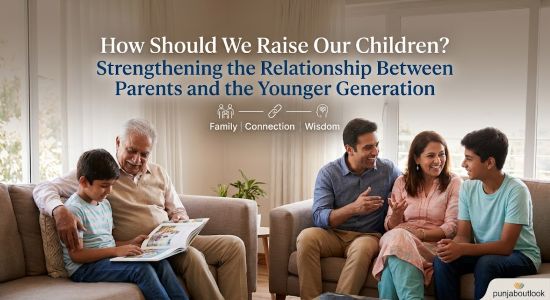
 In today’s rapidly changing world, raising children and maintaining healthy relationships between parents and the younger generation have become increasingly important challenges. Every parent dreams of seeing their children become educated, successful, responsible and respected members of society. However, good parenting is not limited to providing expensive clothes, a good education, modern facilities or fulfilling every demand a child makes. True parenting means teaching children the values of life, giving them time and attention, guiding them through difficulties and helping them develop a strong sense of responsibility. As the saying goes, “Before teaching children how to become successful in life, teach them how to become good human beings.” This is a lesson every parent should remember.
A child’s education begins long before entering a classroom. The home is the first place where children learn how to speak, behave, respect others and understand the difference between right and wrong. Children observe their parents closely and notice how they speak to each other, treat elderly family members, respond to disagreements and behave toward people who are less fortunate. If parents practise honesty, kindness, patience and respect, children are more likely to learn these qualities through everyday experience. Parents cannot expect their children to behave respectfully if they themselves regularly use abusive language, insult others or engage in unnecessary arguments in front of them. “Children learn more from what their parents do than from what their parents say.” The best way to teach good values is to practise them consistently.
Love must be accompanied by discipline. Some parents give their children everything they ask for because they believe that fulfilling every demand is an expression of love. Others adopt an excessively strict approach, expecting children to obey every instruction without asking questions. Neither extreme is ideal. Children need affection, but they also need boundaries. They should understand that their wishes matter, but not every demand can or should be fulfilled immediately. Parents must teach them patience, honesty, responsibility, respect for others and the importance of hard work. When a child makes a mistake, humiliation, threats and physical punishment are not constructive solutions. Parents should explain the consequences of the mistake, listen to the child’s perspective and provide an opportunity to improve. “Discipline should not teach a child to fear the parents; it should teach the child to understand responsibility.”
One of the major concerns in many families today is the growing communication gap between parents and their children. As children enter adolescence and adulthood, their interests, friendships, ambitions and opinions begin to change. They want greater independence and the freedom to make decisions about their own lives. Parents, meanwhile, may worry about their children’s safety, future, relationships and choices. Problems arise when parents believe that obedience is the only sign of respect, while young people feel that their opinions are ignored or dismissed. The solution is not to blame one generation entirely. Both sides need to make an effort to understand each other. “When parents only give orders and children only resist, communication disappears and conflict takes its place.” Parents should listen patiently before judging, while young people should understand that parental advice often comes from years of experience, concern and a genuine desire to protect them.
Mobile phones, the internet and social media have become major parts of children’s lives. Technology provides valuable opportunities for education, communication and personal development. However, excessive screen time can interfere with sleep, studies, physical activity and meaningful family interaction. Parents should establish reasonable rules for technology use according to their children’s ages and needs. These rules should apply to adults as well as children. If parents spend every free moment looking at their phones, they cannot reasonably expect their children to develop healthy digital habits without guidance. Families should set aside time each day to talk, share experiences and discuss problems without distractions. “Children may enjoy expensive gifts, but they deeply need their parents’ time, attention and affection.” A few minutes of genuine conversation can sometimes be more valuable than hours spent in the same room without communicating.
A strong parent-child relationship is built on trust. Children should feel comfortable discussing their fears, mistakes, disappointments and personal problems without automatically expecting anger or humiliation. If children believe that every mistake will lead to punishment or that every problem will be dismissed, they may gradually stop sharing important information with their parents. Parents should take their children’s feelings seriously, even when the problems seem small from an adult’s perspective. Academic pressure, friendship difficulties, anxiety about the future and fear of failure can be significant concerns for young people. Listening does not mean agreeing with everything a child says; it means understanding the situation before offering advice or making a decision. “A child who can speak openly with parents is more likely to seek their guidance when life becomes difficult.” Parents should strive to become trusted advisers rather than people their children approach only when they have no other option.
Every young person needs an opportunity to discover their abilities, interests and ambitions. Parents should guide their children, but they should not attempt to control every decision throughout their lives. For example, forcing a child to become a doctor, engineer or businessperson simply because the parents prefer that profession may ignore the child’s interests and abilities. Parents can explain different career options, discuss financial realities and share their experiences. However, young people should also be encouraged to take responsibility for their choices. At the same time, independence should not become an excuse for irresponsibility. Young people should recognize their duties toward their families, communicate respectfully and appreciate the sacrifices their parents have made. “Parents can offer the wisdom of experience, while young people can bring the fresh ideas that help families move forward.” The relationship becomes stronger when guidance and independence exist together.
For Punjabi families, preserving their mother tongue, cultural heritage and family traditions is an important part of raising the next generation. Children should be encouraged to speak Punjabi, read Punjabi literature, learn about their history and listen to the experiences of grandparents and other elders. These connections can help them understand their roots and develop a sense of belonging. For Sikh families, values such as seva (selfless service), humility, honesty, hard work, equality and helping those in need can be taught through everyday actions. However, teaching culture should not mean preventing children from learning about other communities or exploring new ideas. Children should understand that they can remain connected to their heritage while respecting people from different backgrounds. “A generation that understands its roots can move confidently into the future without forgetting its identity.” The goal should be to pass on the best values of the past while preparing children to meet the challenges of the modern world.
Building stronger family relationships requires everyday effort from both generations. Parents should spend meaningful time talking with their children, avoid comparing them with siblings or other families, correct mistakes without humiliation, support education and encourage healthy interests. They should establish fair rules, respect age-appropriate privacy, admit their own mistakes and praise honesty, kindness and responsibility rather than measuring success only through money or academic achievements. Young people, in turn, should listen to their parents with patience, express disagreements respectfully, recognize parental sacrifices, participate in household responsibilities and understand that freedom comes with accountability. Both generations must recognize that respect is a two-way responsibility.
The relationship between parents and children is among the most valuable relationships in human life. It cannot be strengthened through authority, fear or constant criticism alone. It requires affection, patience, trust, honest communication and mutual respect. Parents should help children discover their own strengths rather than force them to fulfil every parental ambition. Young people, in turn, should understand that personal independence does not eliminate the importance of family bonds, gratitude and responsibility. “Give children enough love to feel secure, enough values to choose the right path, and enough trust to turn to you when life becomes difficult.”
A good family is not one in which disagreements never occur. It is one in which disagreements do not destroy love and respect. If parents listen to their children, and young people make a sincere effort to understand their parents, the generation gap can become smaller. Families can then provide children with something far more valuable than material comforts: the confidence, character and emotional support they need to build meaningful lives. Ultimately, the real success of parenting is not measured only by how wealthy, educated or professionally successful children become. It is also measured by whether they grow into honest, compassionate and responsible human beings who respect others and contribute positively to society.
Editorial note: The quotations in this article are original, illustrative sayings prepared for this article and are not verified quotations attributed to specific individuals.