
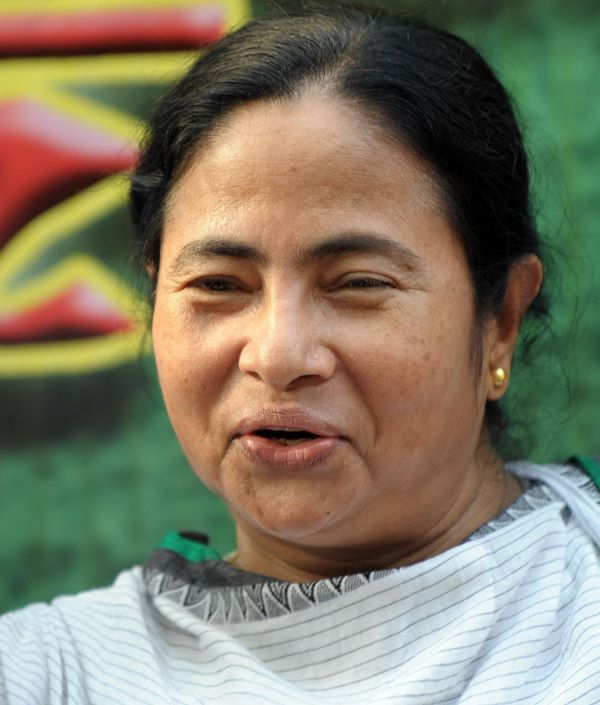
Mamata Banerjee has emerged as one of the most influential and combative leaders in contemporary Indian politics, particularly in the context of elections. As the Chief Minister of West Bengal and leader of the All India Trinamool Congress (TMC), she has carved out a distinct identity as a grassroots leader who consistently challenges the dominance of national parties, especially the Bharatiya Janata Party (BJP).
Mamata Banerjee’s political journey is often described as a classic example of grassroots mobilization translating into electoral success. Beginning her career in the Indian National Congress, she later broke away to form the Trinamool Congress in 1998. Her relentless campaign against the long-standing Left Front government in West Bengal culminated in a historic victory in 2011, ending over three decades of Left rule. This victory not only transformed West Bengal politics but also established Banerjee as a formidable regional leader with national aspirations.
West Bengal remains Mamata Banerjee’s strongest political base. Under her leadership, the TMC has consistently performed well in state elections, with a particularly significant victory in the 2021 Assembly elections where she successfully resisted an aggressive campaign by the BJP. Her appeal among women, minorities, and rural voters has been a key factor behind her repeated electoral successes. Welfare schemes, direct outreach, and a strong personal connect with the electorate have strengthened her position.
In national politics, Mamata Banerjee has positioned herself as a key opposition figure. While her party’s primary strength lies in West Bengal, she has made efforts to expand into other states such as Goa, Tripura, and Meghalaya. Though these attempts have had mixed results, they signal her ambition to play a larger role in shaping national political discourse.
Banerjee has also been vocal about the need for opposition unity to challenge the BJP at the national level. However, her relationship with other opposition parties has often been complex, marked by both cooperation and competition. Her independent stance sometimes creates friction but also reinforces her image as a leader unwilling to compromise on her political positioning.
Mamata Banerjee’s campaign style is direct, emotional, and highly personalized. Known for her simplicity and fiery speeches, she often portrays herself as a “fighter” against political adversaries. Her campaigns rely heavily on grassroots mobilization, public rallies, and door-to-door outreach rather than purely high-tech strategies.At the same time, the TMC has increasingly embraced digital campaigning, social media outreach, and data-driven election management to complement traditional methods. This blend of old and new campaign techniques has helped the party stay competitive in a rapidly evolving political environment.
Despite her electoral success, Mamata Banerjee faces several challenges. Allegations of corruption, governance issues, and political violence in West Bengal have been raised by opponents. The BJP, in particular, has made significant inroads into the state, emerging as the principal opposition force.At the national level, her biggest challenge remains expanding beyond West Bengal and converting her regional strength into a broader electoral presence. Building alliances while maintaining her party’s identity is another delicate balancing act.
Mamata Banerjee’s role in Indian elections goes beyond just her party’s performance. She represents the growing influence of regional leaders in national politics. In an era where coalition politics can determine power at the Centre, leaders like her can play a निर्णायक (decisive) role in shaping government formation.Her political narrative focused on federalism, regional identity, and welfare politics resonates with many voters across India, even if it has yet to translate into widespread electoral gains outside her home state.Mamata Banerjee remains a dynamic and unpredictable force in Indian elections. Whether as a dominant regional leader or a potential national challenger, her political journey continues to evolve. In the coming years, her ability to expand her influence, build alliances, and navigate challenges will determine how significant a role she ultimately plays in shaping India’s electoral future.