
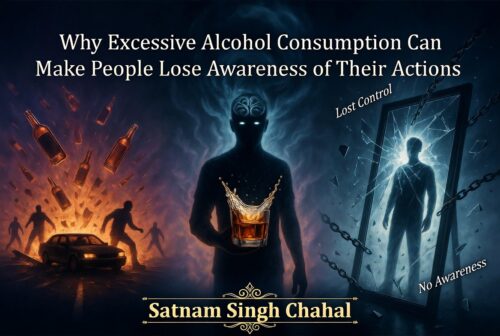
Alcohol consumption has been part of human society for centuries, often associated with celebrations, social gatherings, and relaxation. However, excessive drinking can have serious effects on the human brain and behavior. One of the most concerning aspects of heavy alcohol consumption is that intoxicated individuals often do not fully understand or remember what they are doing while under its influence. In many cases, they wake up the next morning with little or no memory of their actions from the previous night.
The reason for this lies in the way alcohol affects the brain. Alcohol is a depressant that slows down the central nervous system. As blood alcohol levels rise, the areas of the brain responsible for judgment, self-control, decision-making, and memory begin to function poorly. A person who is heavily intoxicated may speak irrationally, behave aggressively, make poor decisions, or engage in risky activities without realizing the consequences of their actions at that moment.
Medical experts describe a phenomenon known as an “alcohol blackout.” During a blackout, a person may appear awake, talk normally, drive, or interact with others, but the brain fails to create new memories. As a result, when the person wakes up the next morning, they may have no recollection of events that occurred during that period. This does not mean they were unconscious; rather, their memory formation was impaired by alcohol.
History and criminal investigations around the world have documented numerous incidents where excessive drinking led individuals to say or do things they later regretted. Family disputes, accidents, violence, and public misconduct have often been linked to alcohol-induced impairment. In many cases, those involved later express shock when informed about their behavior because they genuinely do not remember the events.
Scientists explain that alcohol affects the hippocampus, a part of the brain responsible for forming memories. When this region is disrupted, a person may experience fragmented memories or complete memory loss. Factors such as drinking large quantities in a short time, consuming alcohol on an empty stomach, or mixing alcohol with certain medications can increase the likelihood of blackouts.
The social consequences of such behavior can be severe. Relationships may suffer, careers can be damaged, and legal troubles may arise from actions committed under intoxication. Unfortunately, saying “I do not remember” does not erase the impact of one’s actions on others. Society and legal systems generally hold individuals responsible for behavior carried out while intoxicated.
From a public health perspective, awareness and responsible drinking are essential. Education about the effects of alcohol, support for those struggling with alcohol dependency, and promoting moderation can help reduce alcohol-related harm. Families and communities also play an important role in encouraging healthy habits and intervening when drinking patterns become dangerous.
Ultimately, excessive alcohol consumption serves as a reminder of how fragile human judgment can be when the brain is impaired. The fact that many intoxicated individuals do not know what they are doing—or cannot remember it the next morning—is not merely a social observation but a scientifically recognized effect of alcohol on memory and decision-making. Responsible choices and moderation remain the best safeguards against the personal and social consequences of alcohol misuse.