
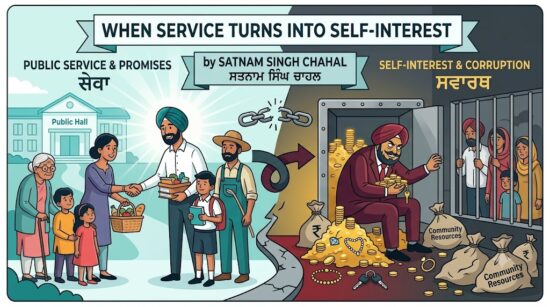
 Many leaders enter politics with inspiring promises. They speak about serving humanity, improving society, and bringing hope to their communities. Their words often encourage people to trust them and believe that positive change is possible. Citizens vote for them with the expectation that they will work honestly and selflessly.
However, not every leader remains true to those ideals. Once they gain power, some begin to focus more on personal interests than on public service. Instead of solving problems, they create new ones through poor leadership, corruption, favoritism, or a lack of accountability. The people who once celebrated them begin to lose confidence as promises remain unfulfilled.
A leader who forgets the purpose of public office becomes a burden rather than a blessing. Communities suffer when resources are misused, development slows, and public trust is damaged. The disappointment is often greater because the hopes of the people were built on promises of service.
In a healthy democracy, leadership is a responsibility, not a privilege. Citizens have the right to expect integrity, transparency, and dedication from those they elect. When leaders fail to meet these standards, people may seek change through lawful and democratic means, such as public debate, peaceful advocacy, and elections.
True leadership is measured not by the speeches made before entering office but by the actions taken while in office. Those who remain committed to serving the people earn lasting respect. Those who abandon their principles risk losing the confidence of the very community that once placed its trust in them