
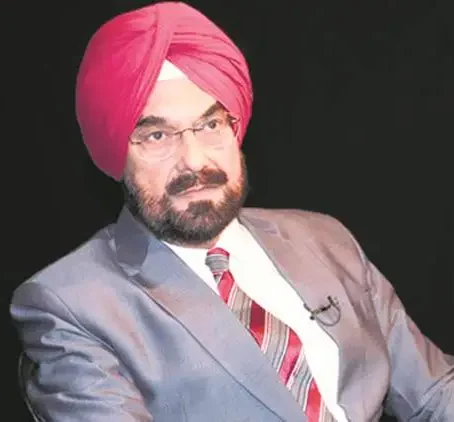
 Chandigarh- Former MLA and veteran journalist Kanwar Sandhu has raised concerns over the growing role of artificial intelligence (AI) in Punjab’s political discourse, questioning whether the 2027 Assembly elections will be decided by meaningful public issues or by sophisticated AI-driven political campaigns.
Reacting to a recent report published in The Indian Express by journalist Divya Goyal, Sandhu said the report accurately captures what he described as the “ridiculous level of politics” currently unfolding in Punjab. His remarks come amid an escalating controversy over alleged AI-generated videos, deepfakes, and digitally manipulated content involving political leaders and religious personalities in the state.
In a post on social media, Sandhu posed a broader political question rather than focusing on any single party. He asked who ultimately stands to benefit in the 2027 Punjab Assembly elections and whether electoral success would belong to the political party and leader capable of mastering artificial intelligence and influencing public perception through digital content, or to those presenting a credible governance agenda to the people.
His comments reflect growing concern about the increasing use of AI in political communication. According to the Indian Express report, multiple political parties in Punjab—including the ruling Aam Aadmi Party (AAP), the Shiromani Akali Dal (SAD), and the Congress—have used AI-generated content in recent months to target political opponents or shape public narratives. The controversy has intensified following disputes over viral videos involving Punjab Chief Minister Bhagwant Mann, leading to allegations, counter-allegations, and debates over the authenticity of digital content.
Sandhu’s statement highlights a wider concern extending beyond immediate political controversies. As both a senior journalist and a former legislator, he suggested that the growing reliance on AI-generated political messaging could fundamentally alter election campaigning, shifting the focus away from governance, public policy, and development toward digital manipulation and perception management.
Political analysts note that artificial intelligence is becoming an increasingly influential tool in election campaigns worldwide. While AI offers opportunities for voter outreach and communication, experts have also warned about its potential misuse through deepfakes, cloned voices, fabricated videos, and misleading social media campaigns capable of confusing voters and eroding trust in democratic institutions.
As Punjab moves closer to the 2027 Assembly elections, Sandhu’s remarks add to the growing debate over the need for stronger safeguards against the misuse of artificial intelligence in politics. The discussion also raises broader questions about electoral ethics, digital accountability, and whether future political contests will be determined primarily by technology-driven narratives or by competing visions for the state’s development.