
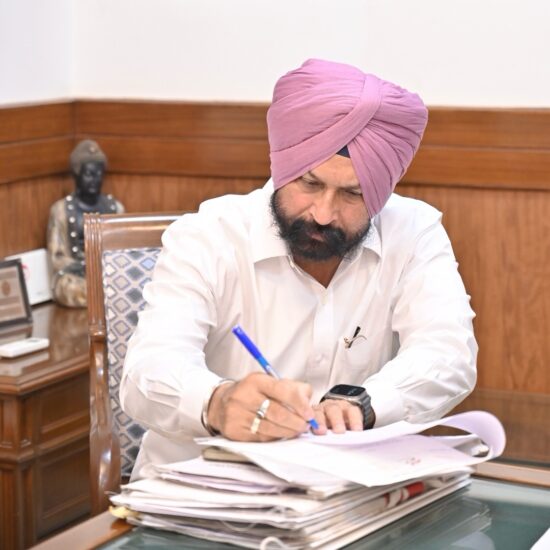
Former Additional Director General of Police (ADGP) Gurinder Dhillon has reportedly raised serious questions about the functioning of the Punjab Police, highlighting alleged corruption, lack of accountability and the failure of the system to protect ordinary citizens. His remarks, as reflected in a Punjabi social media graphic, have sparked an important debate about whether the police machinery is fulfilling its primary responsibility of maintaining law and order or allowing influential and criminal elements to exploit weaknesses within the system.
Referring to incidents in Mansa, Dhillon reportedly questioned how situations arise in which people lose confidence in the police and feel compelled to take matters into their own hands. He reportedly suggested that if honest, courageous and accountable officers were placed in charge of all 421 police stations across Punjab, criminals would think twice before threatening or shooting innocent people. His remarks underline the importance of professional policing, impartial investigations and public confidence in law enforcement.
The former ADGP also reportedly raised questions about alleged irregularities involving police officials and the licensing process. He called for serious scrutiny of SHOs, DSPs, SSPs and other officials allegedly connected with the matter involving Ashwani. The graphic attributes to him a demand that officers suspected of wrongdoing should face proper investigation, including narco-analysis tests. These allegations require independent verification and a transparent inquiry before any individual can be held responsible.
Dhillon reportedly expressed concern over the circumstances surrounding Parvinder Singh Jhota and the handling of the situation by the Mansa administration. He also questioned the authority of the police to interfere with a family’s decision regarding the cremation of a deceased person, reportedly warning that the family’s wishes and legal rights must be respected.
The larger question raised by these remarks is whether Punjab’s policing system is sufficiently independent, transparent and accountable. Citizens expect police officers to protect them without political pressure, personal influence or discrimination. When allegations of corruption and misuse of authority emerge, the government must ensure an impartial investigation rather than dismissing public concerns.
Punjab does not need a police force that merely exercises authority; it needs a police force that earns public respect through honesty, courage and accountability. The responsibility of the government is to ensure that every police station serves the people, every complaint receives fair treatment and no influential individual or official remains above the law.