
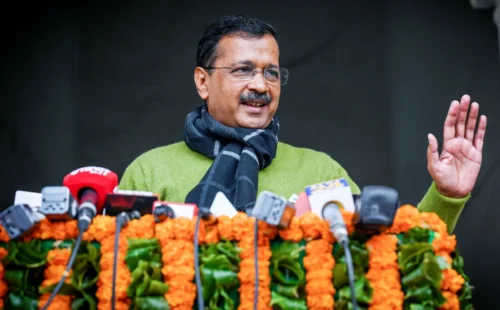
 During the Punjab Assembly elections, Arvind Kejriwal and the AAP leadership made ambitious promises to the people of Punjab. Among the most significant assurances were reducing the state’s debt burden, improving Punjab’s financial health, eliminating corruption, supporting farmers, and ensuring efficient governance.
Four years after the AAP government came to power under Chief Minister Bhagwant Mann, critics argue that many of these promises remain unfulfilled.
One of the primary concerns raised by the opposition is Punjab’s growing debt. They claim that instead of declining, the state’s debt has continued to increase, placing additional pressure on public finances. According to these critics, the government’s financial situation has become so strained that delays in salary payments and difficulties in meeting routine expenditure have become increasingly common.
Another major allegation concerns corruption. Despite campaigning on a promise of transparent governance, opponents argue that corruption has not been eliminated and that public confidence has suffered.
Critics have also questioned the government’s spending priorities. They allege that thousands of crores of rupees have been spent on publicity campaigns, advertisements, and promotional activities rather than on strengthening healthcare, education, employment, agriculture, and infrastructure.
Farmers’ issues have also become a focal point of criticism. Opponents argue that despite promises to ensure reliable electricity for agriculture, farmers continue to face severe power shortages. They point to reports that the Dhadde feeder in the Majitha constituency remained without electricity for approximately 36 hours during the crucial paddy transplanting season. According to critics, if the government cannot guarantee uninterrupted power supply during one of the most important periods of the agricultural calendar, its claims of being a farmer-friendly administration are difficult to reconcile with conditions on the ground.
The opposition further argues that while the government promotes its vision of a prosperous and vibrant Punjab, the daily hardships faced by farmers tell a different story. They contend that a state where cultivators struggle with basic necessities such as electricity during peak farming season cannot genuinely be described as a flourishing or “colorful Punjab.”
The opposition also argues that Punjab’s economic condition is deteriorating and warns that continued fiscal mismanagement could leave future generations with an even heavier financial burden. They contend that unless urgent corrective measures are taken, the state’s economy may face long-term challenges.
Supporters of the AAP government, however, argue that many financial problems were inherited from previous governments and point to investments in education, healthcare, anti-corruption initiatives, power subsidies, and other welfare measures as evidence of progress.
Ultimately, the people of Punjab will judge whether the promises made before the election have translated into meaningful improvements or whether expectations have remained unmet.