
On June 18, Human Rights Watch published a 180-page investigation into Operation Metro Surge, the deployment of thousands of federal immigration agents to Minnesota’s Twin Cities between December 2025 and March 2026. Over roughly three months, ICE detained about 4,000 people, more than 75 percent of whom had no criminal convictions. Federal agents unlawfully killed two U.S. citizens, Renee Good and Alex Pretti, arrested more than 500 U.S. citizen protesters, and, the report finds, stopped and detained people based on their perceived race. The findings draw on more than 130 interviews with residents, lawyers, health care workers, and educators who lived through it.
The Minneapolis surge is one piece of a system that is expanding and growing more dangerous. On June 25, Human Rights Watch and Physicians for Human Rights reported that 52 people died in ICE custody in the 500 days after January 20, 2025. Their analysis found the annual death rate in immigration detention roughly 140 percent higher than the year before, the highest in over a decade and nearly four times the rate under the Biden administration. The death rate rose faster than the detained population grew, so the increase reflects worsening odds for each person held, not simply a larger number of people in custody.
Both reports reconstruct what enforcement data usually leaves out. “A Manufactured Crisis” traces how thousands of people were stopped, detained, and in hundreds of cases held without any criminal conviction. “Dying in Detention”reconstructs each death from government records and medical documentation. Reagan Williams, a co-author of the Minneapolis report, said federal agents were sent “to grab people off the street, whisk them away in shackles, and abuse those who sought to bear witness.” On Thursday, July 9, I am hosting a live conversation with two of the researchers behind this work.
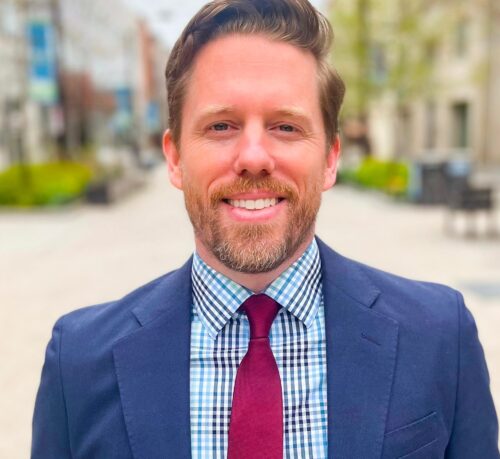
I’ll be joined by Brian Root and Reagan Williams of Human Rights Watch. We will get past the headlines and into how the data was built, what it can prove, and what it says about accountability inside a detention system that is expanding fast. The conversation is on Thursday, July 9 at 1:00 pm Eastern. Please join us, and bring your questions.