
Raghav Chadha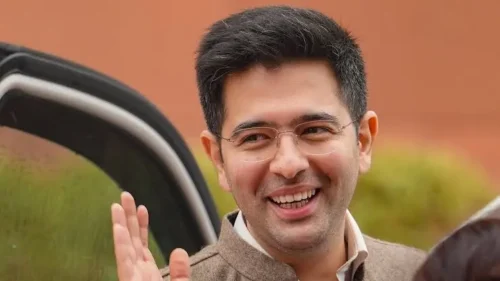 has emerged as one of the most prominent young faces of the Aam Aadmi Party, but his role in Punjab politics continues to generate intense debate and criticism. Originally from Delhi and a qualified chartered accountant, Chadha rose rapidly within the party under the leadership of Arvind Kejriwal. His political journey from spokesperson to MLA in Delhi and eventually to a Rajya Sabha Member of Parliament from Punjab has often been showcased as a success story of merit and modern politics. However, his increasing association with Punjab has also brought scrutiny regarding his actual contribution to the state.
Despite being a Rajya Sabha MP from Punjab, Chadha does not hold any executive authority in the state administration. The governance of Punjab is constitutionally handled by the elected government led by Chief Minister Bhagwant Mann and the state bureaucracy. This has led to a growing perception that Chadha’s role is largely symbolic or advisory rather than administrative. Critics argue that while he represents Punjab in Parliament, he does not possess the power to directly intervene in governance or policy execution within the state.
At the same time, his lifestyle—particularly his stay in a high-profile government residence in Chandigarh, often referred to in political circles as “Kothi No. 50” has triggered controversy. Opponents have questioned how a leader associated with the “common man” narrative of AAP is seen enjoying what they describe as a luxurious and privileged lifestyle. The issue has been used politically to highlight an alleged contradiction between the party’s ideology and the personal lifestyles of some of its leaders. However, it is also true that government accommodation for MPs and senior leaders is a standard practice, and no conclusive evidence has publicly established any illegality in this matter.
Internal developments within the AAP have further complicated Chadha’s position. His reported removal from a key leadership role in the Rajya Sabha and statements from within the party hint at emerging differences or power struggles. Such developments have fueled speculation that his influence within the party may not be as strong as it once was. At the same time, Chadha has publicly maintained that he remains committed to his political responsibilities, suggesting that he has been sidelined rather than weakened.
Several controversies have also contributed to the debate around his political career. His suspension from the Rajya Sabha in 2023 over procedural issues, his name appearing in discussions around the Delhi liquor policy case (which he denied), and allegations made by political opponents have all shaped public perception. It is important to underline that many of these allegations remain unproven and exist largely within the realm of political accusation rather than judicial conclusion.
In Punjab, a major line of criticism against Chadha is that he lacks grassroots engagement with the state’s pressing issues. Concerns such as farmers’ distress, unemployment, drug abuse, and industrial stagnation dominate Punjab’s political discourse. Critics argue that Chadha’s interventions have not sufficiently addressed these ground realities, leading to a perception that his connection with the state is more political than practical.
Supporters, however, present a different view. They describe Chadha as an educated and articulate parliamentarian who has raised several issues of national importance, including matters related to governance reforms and citizen welfare. They argue that expecting him to directly control Punjab’s administration reflects a misunderstanding of his constitutional role as a Rajya Sabha MP, which is legislative rather than executive.
Ultimately, the debate surrounding Raghav Chadha reflects a broader tension in Indian politics between perception and power. While he holds a significant national platform, questions remain about his tangible impact on Punjab’s governance and development. Whether these criticisms are politically motivated or rooted in genuine public concern, they highlight the challenges faced by leaders who operate across regions without deep local political grounding.Raghav Chadha’s political future will likely depend on how effectively he can bridge this gap—between image and action, between national prominence and regional accountability.