
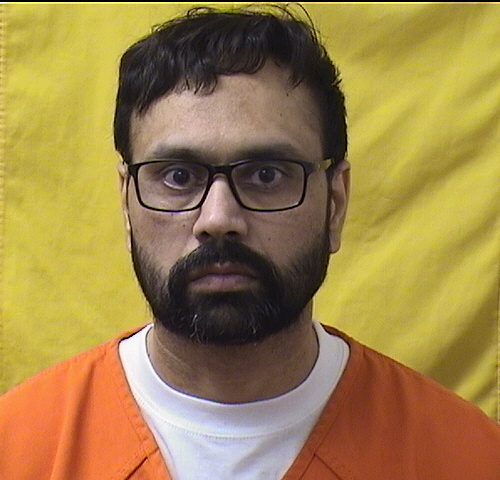
Columbus, Ohio: Gurpreet Singh, a 44-year-old man of Punjabi origin who is on Ohio’s death row after being convicted in the 2019 murders of his wife and three members of her family, has asked the Ohio Supreme Court to grant him a new trial, arguing that he received ineffective legal representation during his case.
During oral arguments before the state’s highest court on Tuesday, Singh’s appellate attorney, Kathryn Sandford, contended that several strategic decisions made by his trial lawyers deprived him of a fair trial. The appeal focuses on whether Singh’s constitutional right to effective legal counsel was violated, rather than on introducing new evidence related to the killings themselves.
Singh was sentenced to death after a three-judge panel found him guilty of murdering his wife, Shalinderjit Singh, his father-in-law, Kakiakat Singh Pannag, his mother-in-law, Parmjit Kaur, and his wife’s aunt, Amarjit Kaur. The four family members were found fatally shot inside their Ohio home on April 28, 2019. Singh had called emergency services to report the incident.
According to prosecutors, investigators recovered substantial forensic evidence linking Singh to the crime scene, including bloodstains, gunshot residue, and other physical evidence. Prosecutors also alleged that neighbors observed suspicious activity shortly after the shootings and that the murder weapon was later recovered from a nearby pond. The prosecution argued that Singh’s motive was financial, alleging he had been maintaining a relationship with another woman while also supporting his family.
The appeal, however, centers on the performance of Singh’s defense attorneys. Sandford argued that it was unreasonable for the defense to waive Singh’s right to a jury trial after his first trial in 2022 ended in a mistrial when the jury was reportedly deadlocked 11-1. She maintained that retaining a jury would have offered a greater opportunity to avoid both conviction and a death sentence.
The defense also argued that Singh, whose first language is Punjabi, may not have fully understood the legal consequences of waiving a jury trial because of language barriers. State prosecutors rejected that claim, telling the court that the trial judge ensured an interpreter thoroughly explained the waiver before it was accepted and that Singh knowingly signed the necessary documents.
Another issue raised by the defense involved testimony concerning a legally owned firearm found inside the residence. Sandford argued that evidence regarding the firearm should not have been presented because it was unrelated to the murders. Prosecutors responded that the defense itself introduced the firearm during opening statements in an attempt to support Singh’s innocence and that the evidence became relevant during the proceedings.
The Ohio Attorney General’s Office urged the Supreme Court to uphold Singh’s conviction and death sentence, arguing that the decisions challenged by the defense reflected legitimate trial strategy rather than ineffective legal representation.
After hearing arguments from both sides, the Ohio Supreme Court announced that it would take the matter under advisement and issue a written decision at a later date. Until then, Gurpreet Singh’s conviction and death sentence remain in effect.
The case continues to draw attention within sections of the Punjabi community because of the defendant’s background. However, legal observers note that the Supreme Court’s review is limited to determining whether Singh received constitutionally effective legal representation during his trial and does not constitute a retrial of the underlying facts unless the court orders otherwise.