
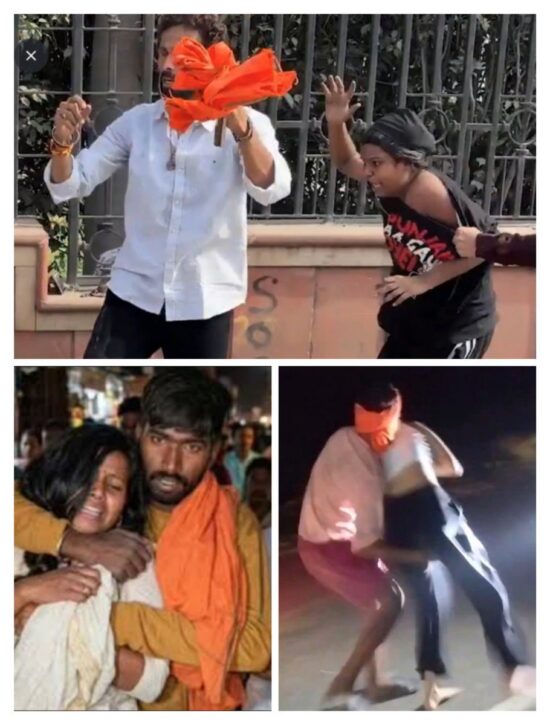
 New Delhi witnessed a major security crackdown on October 10, 2026, as authorities moved to prevent a planned demonstration at Jantar Mantar against Chief Election Commissioner Gyanesh Kumar and alleged irregularities in the revision of electoral rolls. The protest, organised by the youth-led Cockroach Janta Party (CJP) and supported by activists and other groups, demanded accountability over the Special Intensive Revision (SIR) of voter lists. Police barricaded access routes, deployed large numbers of security personnel and detained protesters attempting to reach the designated demonstration area. Reports from Reuters and The Indian Express described detentions at several locations and smaller demonstrations across the capital after Jantar Mantar was effectively sealed off to protesters.
A Protest Prevented Before It Could Begin
According to Reuters, more than 2,000 people were detained in Delhi, while the Indian Express reported detentions at multiple locations, including near the airport and along routes leading to Jantar Mantar. Senior CJP figures, including founder Abhijeet Dipke, were also detained. Security restrictions affected movement across parts of the capital, and mobile internet services were suspended in a designated area around the protest site. Amnesty International criticised the sweeping restrictions, warning that peaceful protesters should be able to demand accountability without intimidation or arbitrary detention.
The Controversy Over Voter Lists
At the heart of the confrontation is the Special Intensive Revision of electoral rolls, an exercise intended by the Election Commission to identify duplicate, ineligible and otherwise invalid entries. Critics, however, have raised concerns about large-scale deletions, possible errors and the disproportionate impact on vulnerable communities. Protest organisers demanded Chief Election Commissioner Gyanesh Kumar’s resignation, alleging that the revision process threatens electoral fairness. The Election Commission and the BJP have rejected allegations of wrongdoing, maintaining that the exercise is intended to improve the accuracy of voter lists. These competing claims require transparent examination of the records rather than political accusations alone.
Democracy Cannot Be Protected by Silencing Questions
The events at Jantar Mantar raise a fundamental question: if citizens believe that their names have been wrongly removed from voter lists, where can they demand answers? The right to vote and the freedom to express dissent are essential components of a democratic system. At the same time, public demonstrations must remain peaceful and authorities have legitimate responsibilities concerning public safety. Those responsibilities, however, should not become a justification for blanket restrictions that prevent lawful criticism or make it unnecessarily difficult for citizens to reach a designated protest site.
The government and the Election Commission should publish clear information about the number of voter names deleted, the reasons for deletion, the procedures used to verify entries and the safeguards available to people who believe they have been wrongly excluded. Any credible complaints of irregularities should be investigated independently, and affected voters must have an accessible opportunity to correct their records. Police should also provide clear information about detained protesters and ensure that all detentions comply with the law.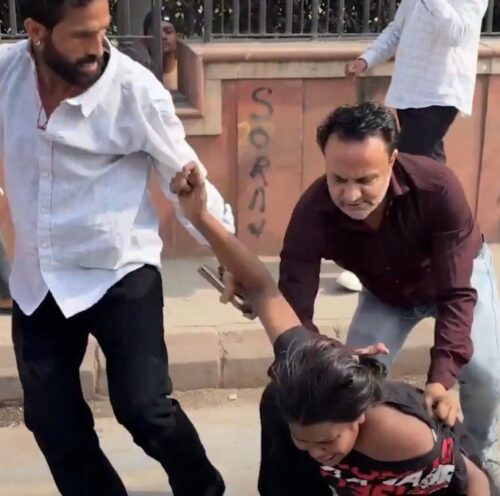
The Questions That Demand Answers
Who authorised the extensive restrictions surrounding Jantar Mantar? Were less restrictive arrangements considered to facilitate a peaceful demonstration? How many people were detained, on what legal grounds, and how quickly were they released or brought before the appropriate authorities? Most importantly, will the Election Commission provide a transparent account of the disputed voter-list revisions?These are questions of public accountability, not merely party politics. The credibility of democratic institutions depends not only on conducting elections but also on ensuring that citizens can vote, challenge decisions and seek explanations without fear.
The final test of a democracy is not whether the government can prevent a protest, but whether it can answer the questions that brought people onto the streets. Jantar Mantar has once again become the centre of a larger debate about democratic freedoms, electoral transparency and the relationship between the state and its citizens. The authorities should address that debate through evidence, transparency and lawful accountability—not simply through barricades and mass detentions.
Punjab Outlook Editorial Note: This article is based on reporting available on October 10, 2026. Allegations concerning voter-list manipulation remain disputed and should not be treated as established findings without independent verification.Referance:Reuter